

A Simplified German Brötchen Roll You Can Make With Your Bread Machine!
Hi! If you’ve been following me for long you’ll already know this, but for those who are new, welcome to Far From The Farm. I’m Mona, the Brit behind the recipes, learning life and food in the States while sharing our debt-free journey and what’s on the menu in our home today!
I know I talk a lot about my British roots, but what many of you might not know is that before I became a military spouse, I was also a military child.
My dad served in the British Army and met my mum in Germany, where I was born and where my love of fresh, crusty bread began.
Those small bakery rolls called Brötchen were a staple of my childhood, often enjoyed with butter and jam at breakfast, or later in the day piled high with salami, cheese, or leberwurst.
It’s funny the things you find yourself missing once you move away. When you’re living overseas, you realise just how special those simple comforts from home really are.
Being in the States now, I can’t just hop on a cheap flight to Berlin to see family and grab the little German treats when the craving hits, so I decided to teach myself how to make my own version of those perfect little rolls right here in my humble kitchen.
We have a few German military spouses living nearby, and chatting with them about their food traditions always brings back such fond memories. It was one of those conversations that nudged me into finally giving homemade Brötchen a go. I thought, if I can’t buy them, I’ll just learn how to make them myself!

And as anyone who’s been around me for a while knows, my trusty little Cuisinart bread machine is one of my most-used kitchen tools.
My parents gifted it to me when I got married and moved here to the States, and I honestly can’t imagine homemaking life without it now.
The dough cycle alone has saved me countless hours. No kneading by hand, no floury countertops that take forever to clean. It’s pure convenience with perfect results every time.
This simplified version of traditional German Brötchen comes out with that same crisp crust and soft, chewy interior, without all the fuss.
You’ll use your bread machine to handle the dough perfectly, then finish them off in the oven for that bakery-style finish that fills your whole kitchen with the smell of warm, fresh bread.
They’re wonderful served warm with butter, alongside soups (especially my Slow Cooker Leftover Ham and Wild Rice Soup!), or filled with your favourite meats and cheeses for an easy lunch.
And honestly, I think making them from scratch adds such a satisfying touch to any cozy weekend or post-holiday meal plan.
These little homemade rolls also tie right into our debt-free journey. Buying fresh bakery bread every week adds up fast, but making it myself in the bread machine costs just pennies per roll.
It’s such a good reminder that living frugally doesn’t mean living without. I can still enjoy the same simple comforts I grew up with, only now they fit within our budget and make me feel proud of what we’re building as a family.
And just a reminder that if you’re struggling and you need help with managing your budget or starting your own debt free journey then here’s some FREE resources below you may find helpful!
living frugally and fully
free tips and resources to make the most of what you have
As always, these photos are from my real kitchen here in our sweet military base home. No AI recipe images or staged lighting or spotless marble counters. Just real life and real food made in a small space. Proof that you can feed your family well without needing a dream kitchen or fancy tools!
Let’s roll up those sleeves and get ready for the smell of fresh bread wafting through your home!
Recipe Disclaimer
All Far From The Farm recipes are shared as a guide based on what works in my home kitchen. Results may vary depending on your ingredients, equipment, and cooking setup, so always use your own judgement. Please check all ingredients for allergies, intolerances, or dietary needs before making any recipe. Far From The Farm is not responsible for any reactions or outcomes from the use of these recipes. Nutritional information is an estimate only.
Mona – Far From The Farm
Equipment
- Bread machine with dough cycle (I’ll link mine below)
- Measuring jug
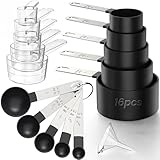
- Measuring cups and spoons
- Baking sheet
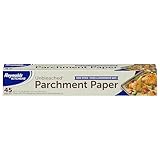
- Parchment paper
- Knife
- Plastic wrap
Available on Amazon.com [ad]





Ingredients (Makes 8–10 small rolls)
- 1 ¼ cups warm water (not too hot or it will kill the yeast)
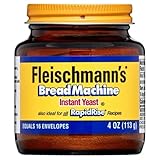
- 2 tsp bread machine yeast
- 1 tbsp honey
- 4 cups bread flour
- 2 tsp salt
- 1 ½ tbsp olive oil
Available on Amazon.com [ad]
Step-By-Step Instructions

Step 1: Prepare the yeast mixture
Remove your bread machine insert and pour in the warm water, honey, and yeast. Stir gently, then cover with plastic wrap.

Step 2: Proof the yeast
Let the mixture sit for 5 to 10 minutes until it becomes frothy and bubbly on top. If it hasn’t foamed, your yeast may be inactive and you’ll need to start again.
Step 3: Add the flour
Sprinkle the bread flour evenly over the yeast mixture. Do not stir as the layering helps the dough form properly once the machine begins mixing.
Step 4: Add the salt
Use your finger or the back of a spoon to make a small well in the top of the flour. Add your salt into that well and gently cover it with a bit of the surrounding flour. This prevents the salt from touching the yeast too early.
Step 5: Add the olive oil
Pour your olive oil over the top of the flour layer.

Step 6: Start the dough cycle
Place the insert back into your bread machine, close the lid, and select the dough cycle. Mine takes about 1 hour 30 minutes. This is the perfect time to tidy up or get started on another meal, bread machines really do make life simpler!

Step 7: Shape the dough
When the cycle is done, remove the dough and place it on a lightly floured surface. Divide it into 8 to 10 equal pieces and gently shape them into rounds or ovals. Sprinkle lightly with flour so they won’t stick when rising.

Step 8: Let the rolls rise
Arrange your rolls on a parchment-lined baking sheet. Cover with plastic wrap and let them rise for about 1 hour in a warm spot.

Step 9: Preheat your oven
Place an empty metal baking pan on the lowest oven rack and preheat to 475°F.
Step 10: Score the rolls
Remove the plastic wrap and, using a sharp knife, slice a single line across the top of each roll about ¼ to ½ inch deep. This gives that classic Brötchen look once baked.

Step 11: Bake the rolls
Reduce the oven temperature to 425°F. Place your rolls on the middle rack, then pour about 2 cups of hot water into the empty pan on the bottom shelf. The steam helps create that crisp bakery-style crust.

Step 12: Cool and serve
Bake for 18–20 minutes until golden and crusty. Transfer to a cooling rack and enjoy warm or at room temperature. Perfect with butter, soups, or deli-style toppings.

Notes
- You can brush the tops lightly with water before baking for an extra-crisp crust.
- For added flavour, sprinkle with coarse sea salt or sesame seeds before baking.
- These rolls pair perfectly with soup, stew, or even a simple cheese platter.
Troubleshooting Your German Bread Machine Brötchen
- The Cause: High humidity in your kitchen, or the flour-to-water ratio is slightly off. In liquid-to-dry conversions, even a teaspoon of extra water can make bread flour overly tacky.
- The Fix: Don’t panic and try to wash it off. Dust your hands and your work surface with an extra tablespoon of bread flour. Gently pat the dough into shape rather than overworking or pulling it, which can cause it to tear.
- The Cause: If you are measuring by volume (cups) rather than weighing your ingredients, it’s very easy to accidentally pack the flour down, introducing too much dry flour into the mix. Alternatively, converting the recipe to metric can sometimes leave the dough slightly dry.
- The Fix: Keep an eye on your Cuisinart bread machine during the first 5 to 10 minutes of the kneading cycle. If the dough looks like shaggy pieces and isn’t forming a smooth, cohesive ball, drizzle in warm water—just one teaspoon at a time—until it cleans the sides of the pan.
- The Cause: This usually comes down to three things: inactive yeast, cold rising conditions, or under-proofing during the final countertop rise.
- The Fix: Make sure your yeast foams completely during Step 2. If your kitchen is cool (especially in winter), the 1-hour second rise might take 20 or 30 minutes longer. Let the shaped rolls rise until they feel light, puffy, and look noticeably larger before they head to the oven.
- The Cause: Authentic Brötchen require high heat and plenty of moisture. If your oven wasn’t fully preheated, or you forgot to add water to the bottom pan, you won’t get that classic steam-baked bakery finish.
- The Fix: Do not skip preheating the empty metal pan at 475°F. When you drop the temp to 425°F and load the rolls, pour boiling or very hot water into that bottom pan immediately and close the door fast to trap the steam. You can also brush the raw rolls lightly with plain water right before scoring.
- The Cause: This is a classic symptom of over-proofing. If you leave the rolls rising under the plastic wrap for too long, the yeast runs out of food, the gluten stretches to its breaking point, and the structure collapses the second it hits the oven heat.
- The Fix: Keep a close eye on the clock during the second rise. They should be puffy and soft, but still hold a proud, round oval shape. If they poke and don’t slowly spring back, get them into the oven immediately.
- The Cause: If the dough skin is too dry or your knife isn’t sharp enough, the score line won’t open cleanly. As the gas expands in the hot oven, the steam bursts out of the weakest part of the roll instead.
- The Fix: Use a razor-sharp utility knife, a clean box cutter, or a traditional baker’s lame. Make a swift, confident slice about ¼ to ½ inch deep straight across the center. If the rolls look dry on top, mist them with water right before slicing.
- The Cause: Your baking sheet might be too thin, or it was placed too close to the bottom heating element or the steam pan.
- The Fix: Bake your rolls strictly on the middle rack of the oven. If you use dark or thin baking sheets that tend to scorch, layer two baking sheets together (double-panning) or use a heavy-duty aluminum half-sheet pan lined with high-quality parchment paper.
- The Cause: The water used to proof the yeast in your bread machine pan was likely a bit too warm, causing the yeast to multiply at a hyper-speed rate, or the dough environment became too hot.
- The Fix: Your water should feel like a cozy, lukewarm bath—aim for roughly 105°F to 110°F. If it feels hot to your finger, let it sit and cool down before stirring in your honey and yeast, otherwise you risk throwing off the flavor or killing the culture entirely.
- The Cause: The dough was handled roughly or reworked too many times after the bread machine dough cycle finished. Reworking developed dough over-activates the gluten network.
- The Fix: When you tip the dough out of the machine insert, handle it like a pillow. Cut it cleanly into 8 to 10 even pieces with a bench scraper or a sharp knife. Shape them into smooth rounds quickly without kneading them all over again.
- The Cause: Leaving the baked rolls sitting directly on the hot baking sheet traps steam underneath them, which softens the crisp bottom and side crusts.
- The Fix: The moment your rolls come out of the oven, use tongs or a spatula to transfer them immediately to a wire cooling rack. This allows air to circulate entirely around the rolls so they stay perfectly crisp.
Storage
- Store cooled rolls in an airtight container at room temperature for up to 3 days.
- To freeze, wrap individually in plastic wrap and store in a freezer bag for up to 2 months.
- Reheat in a 350°F oven for 5 to 10 minutes to crisp them back up.
Serving Ideas
- Serve warm with salted butter and jam for a simple breakfast.
- Pair with hearty soups like my Slow Cooker Leftover Ham and Wild Rice Soup for the perfect cold-weather dinner.
- Slice in half for sandwiches with salami, leberwurst, or cheese.
- Use as slider rolls for pulled pork or leftover turkey.
Why You’ll Love This Recipe?!
These Brötchen-style rolls are simple, authentic, and achievable even for beginner bakers. The bread machine does most of the work, and the oven gives that perfect crusty finish.
You’ll save money compared to store-bought bread, and the satisfaction of baking from scratch is unmatched!
Frequently Asked Questions (FAQs) about German Brooches Rolls
Authentic German Brötchen (literally translating to “little breads”) are famous for their feather-light, airy interior texture wrapped inside a shatteringly crisp, thin outer crust. They are traditionally baked fresh every single morning using minimal ingredients, just flour, yeast, water, and salt, along with an intense blast of oven steam.
For the best results, you really want to stick to bread flour. Bread flour has a much higher protein content than all-purpose flour, which creates the strong gluten network required to give these rolls their iconic chewy texture and high lift. All-purpose flour will leave the rolls noticeably softer and denser.
The dough cycle on your bread machine is a massive time-saver for busy home cooks. It eliminates floury countertops, takes away the physical strain of kneading by hand, and guarantees a perfectly temperature-controlled first rise. You get all the quality of an artisan bake with a fraction of the clean-up.
This recipe is optimized specifically for bread machine yeast (or instant/rapid-rise yeast), which can be layered directly into the machine or quick-proofed. If you only have active dry yeast on hand, you must proof it in the warm water and honey for a full 10 minutes until it is thoroughly foamy before adding the flour layers.
The water creates a thick cloud of steam inside your oven during the first few critical minutes of baking. This steam keeps the outer skin of the dough soft and elastic, allowing the rolls to expand fully (known as “oven spring”) before setting into an incredibly thin, crispy, golden-brown bakery crust.
Yes! Once your bread machine finishes the dough cycle, shape the rolls and place them on your parchment-lined baking sheet. Cover the tray tightly with oiled plastic wrap and store it in the refrigerator overnight. In the morning, let the rolls sit on the counter for about 30 to 45 minutes to take the chill off and finish puffing up before baking.
Most modern machines have a dedicated dough cycle that handles kneading and the first rise without applying heat to bake. If yours doesn’t, look for a “Pizza Dough” or “Pasta Dough” cycle. Just ensure you monitor the machine and pull the dough out before any heating element turns on to bake the loaf.
Direct, concentrated contact with salt can sometimes stunt the yeast cells before they have a chance to work. By layering your bread flour over the yeast water and placing the salt in a shallow well on top, you ensure the machine safely integrates the ingredients only when the kneading paddles begin moving. If you’ve been struggling with flat bread machine loaves for a while, it’s worth giving this a try before giving up!
This recipe is naturally dairy-free! To make it completely vegan-friendly, you can easily swap out the single tablespoon of honey for an equal amount of granulated sugar or maple syrup to give the yeast that initial boost of food.
If you want perfectly uniform bakery rolls, the best trick is to use a digital kitchen scale. Weigh your total mass of dough right out of the machine pan, divide that number by 8 or 10, and then portion out your dough pieces to match that exact weight before shaping.
The traditional German way is to slice the roll entirely in half horizontally using a sharp serrated bread knife. This creates two flat, open rounds ready to be slathered in butter, jam, honey, or loaded up with savory cold cuts and cheeses.
Slicing or “scoring” the top of the roll creates a controlled escape route for the expanding steam inside the dough. Without this cut, the rolls will burst open randomly at the weak bottom seams, ruining their shape. It also gives them that beautiful, classic European bakery look.
Absolutely! Right after you shape the rolls (and before the second rise), brush the tops lightly with water or an egg wash, then press them gently into a bowl of poppy seeds, sesame seeds, sunflower seeds, or coarse sea salt.
Because homemade bread doesn’t contain any artificial preservatives, these rolls are absolute perfection on Day 1. They will stay good stored in an airtight container at room temperature for up to 3 days, though the crust will naturally soften over time.
To bring that crisp, bakery-fresh texture back to life, mistake the rolls lightly with a tiny bit of water and pop them into an oven or air fryer preheated to 350°F for 5 to 8 minutes. They will come out tasting like they were just baked!
Yes, these freeze beautifully! Let the baked rolls cool completely to room temperature, wrap them individually in plastic wrap to prevent freezer burn, and drop them into a heavy-duty freezer bag. You can freeze them safely for up to 2 months.
You don’t even need to thaw them on the counter! Take them straight from the freezer, remove the plastic wrap, and place them directly into a 350°F oven for 10 to 12 minutes. They will heat through completely and crisp up beautifully.
Purist German bakery recipes stick strictly to flour, water, salt, and yeast. However, adding just a tablespoon and a half of olive oil to this simplified bread machine version improves the dough’s elasticity in the machine and helps keep the interior crumb wonderfully tender for home bakers.

Easy Bread Machine German Brötchen-Style Crusty Rolls Recipe!

Ingredients
Equipment
Method
- Remove your bread machine insert and pour in the warm water, honey, and yeast. Stir gently, then cover with plastic wrap.
- Let the mixture sit for 5 to 10 minutes until it becomes frothy and bubbly on top. If it hasn’t foamed, your yeast may be inactive and you’ll need to start again.
- Sprinkle the bread flour evenly over the yeast mixture. Do not stir as the layering helps the dough form properly once the machine begins mixing.
- Use your finger or the back of a spoon to make a small well in the top of the flour. Add your salt into that well and gently cover it with a bit of the surrounding flour. This prevents the salt from touching the yeast too early.
- Pour your olive oil over the top of the flour layer.
- Place the insert back into your bread machine, close the lid, and select the dough cycle. Mine takes about 1 hour 30 minutes. This is the perfect time to tidy up or get started on another meal, bread machines really do make life simpler!
- When the cycle is done, remove the dough and place it on a lightly floured surface. Divide it into 8 to 10 equal pieces and gently shape them into rounds or ovals. Sprinkle lightly with flour so they won’t stick when rising.
- Arrange your rolls on a parchment-lined baking sheet. Cover with plastic wrap and let them rise for about 1 hour in a warm spot.
- Place an empty metal baking pan on the lowest oven rack and preheat to 475°F.
- Remove the plastic wrap and, using a sharp knife, slice a single line across the top of each roll about ¼ to ½ inch deep. This gives that classic Brötchen look once baked.
- Reduce the oven temperature to 425°F. Place your rolls on the middle rack, then pour about 2 cups of hot water into the empty pan on the bottom shelf. The steam helps create that crisp bakery-style crust.
- Bake for 18–20 minutes until golden and crusty. Transfer to a cooling rack and enjoy warm or at room temperature.Perfect with butter, soups, or deli-style toppings.
Notes
- You can brush the tops lightly with water before baking for an extra-crisp crust.
- For added flavour, sprinkle with coarse sea salt or sesame seeds before baking.
- These rolls pair perfectly with soup, stew, or even a simple cheese platter.
Storage
- Store cooled rolls in an airtight container at room temperature for up to 3 days.
- To freeze, wrap individually in plastic wrap and store in a freezer bag for up to 2 months.
- Reheat in a 350°F oven for 5 to 10 minutes to crisp them back up.
Nutrition information is automatically calculated, so should only be used as an approximation.
Looking for more homemaking inspiration?
It’s so important to be part of a community that not only understands you but that champions you, encourages, challenges and cheers you on. We couldn’t find one – so we created it instead!
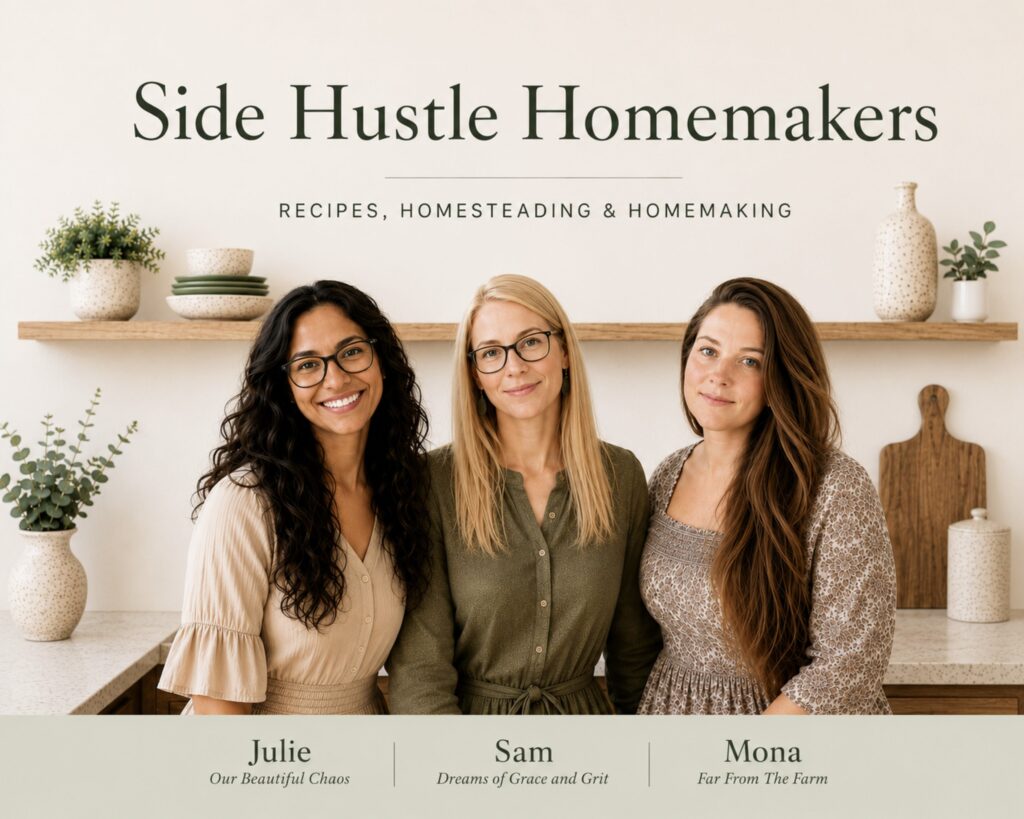
Join the Side Hustle Homemakers Team Julie, Sam and I over at the Recipes, Homesteading and More! Facebook Group for Food Blogging Tips, Homesteading and Homemaking content and encouragement!
We’re 3 very different US/UK military families who met and became instant forever friends. We share what’s working in our kitchens, gardens, homes and more!
We created the group to share real life around recipes, homesteading, homemaking and more. Head on over, say Hi, share your tips and gain some friends and knowledge along the way!

The Takeaway
Homemade bread doesn’t have to be complicated. These easy Brötchen-style rolls bring a little European comfort right into your kitchen using nothing more than a bread machine and an oven pan of water.
They’re crusty, tender, and versatile enough for breakfast, dinner, or any cozy meal in between!
What to Try Next?!


Share & Rate This Recipe!
If you enjoyed this Easy Bread Machine German Brötchen-Style Crusty Rolls Recipe, please give it a 5-star rating and share it with friends and family to help others find it too.
Why You’ll Love Using a Bread Machine In Your Kitchen!
If you’re new here, you’ll quickly learn that I am such a fan of using a bread machine for dough. It has been one of the biggest helps in my kitchen, especially during busy or overwhelming seasons.
My parents gifted me this little Compact Cuisinart Bread Machine recently when I moved from the UK to the States after getting married, and it has worked like a little powerhouse ever since!

It kneads beautifully. It rises dough evenly. It keeps everything contained in one pan so I am not dealing with flour across every surface of the kitchen.
And on days where the house feels chaotic or I am juggling too much, I can add the ingredients, press the dough button, and let it get on with the work while I focus on everything else.
It takes away so much of the guesswork and makes homemade bread, pizza dough, cinnamon rolls, soft rolls, and sweet bakes feel much simpler.
It has also been a real blessing for our budget. Homemade dough costs pennies compared to store prepared versions and certainly compared to eating out. As a military family on baby step 2 of our debt free journey, little savings like that matter across an entire month.
Check out The Bread Machine Academy today!
Learn bread machine baking with beginner-friendly guides on flour, yeast, ingredients, troubleshooting, dough cycles, tips, and techniques!
If you have ever felt intimidated by bread making, this is your gentle nudge to give it a try. A dough cycle handles all the kneading for you.
You get soft, reliable, fluffy dough without standing over a counter for ages or worrying if things rose the way they should. It makes homemade cooking feel doable, even on days that are far from calm.
Browse Bread Machine Recipe Type
There are so many beginner friendly ideas to help you feel confident and excited about homemade dough – join the Facebook group today and share recipes and tips for perfect bread, every time!
Join our new Facebook Group!
THE BEST BREAD STARTS WITH THE RIGHT COMMUNITY…
Beginner-Friendly Bread Machine and Bread Recipes is our new Facebook group for home bakers who want bread baking to feel simple, doable, and encouraging.

Last update on 2026-11-13 / Affiliate links / Images from Amazon Product Advertising API



Was looking for an easy bread roll recipe for the kids lunchboxes when I found this one. I had to add a little bit more water to the dough as mine was a touch dry as I’d converted the recipe to metric, which sometimes happens. I also didn’t score the rolls and they still puffed up amazingly well. I got 11 rolls out of the batch, each weighing 100-115g of raw dough. My daughter and I just had 1 fresh from the oven with some butter and they were fantastic! Will definitely be adding them to my baking rotation!
Thank you so much for the kind comment and feedback – I haven’t made them using metric measurements myself but it’s good to know that we’d need to add a little extra water when I do! Glad you enjoyed them!