Everything You Need to Know About Bread Machine Yeast, Instant Yeast, Active Dry Yeast and Fresh Yeast
“Yeast doesn’t have to be confusing. Once you understand what each type does and when to use it, bread machine baking becomes much more predictable and far less intimidating.”
Hi! If you’ve been following me for long you’ll already know this, but for those who are new, welcome to Far From The Farm.
I’m Mona, the Brit behind The Bread Machine Academy. This is where I share the skills, techniques, and troubleshooting tips I’ve learned through hundreds of loaves, so you can bake with confidence and understand what’s happening every step of the way!
If there’s one ingredient that seems to cause more confusion than any other in bread making, it’s yeast.
Bread machine yeast. Instant yeast. Active dry yeast. Rapid-rise yeast. Fresh yeast.
Can you swap them? Do they all work in a bread machine? Does active dry yeast really need to be bloomed first? Spend a few minutes searching online and you’ll quickly find dozens of different opinions.
The good news is that yeast isn’t nearly as complicated as it first appears.
Once you understand the differences between the main types, you’ll feel much more confident following recipes and making substitutions when you need to.
In this guide I’ll explain what each type of yeast does, when you should use it, when you can substitute it, and why I still bloom active dry yeast even though many bread machine recipes don’t require it.
By the end, you’ll know exactly which yeast belongs in your bread machine and why.
So, let’s start with the basics.
Recipe Disclaimer
All Far From The Farm recipes are shared as a guide based on what works in my home kitchen. Results may vary depending on your ingredients, equipment, and cooking setup, so always use your own judgement. Please check all ingredients for allergies, intolerances, or dietary needs before making any recipe. Far From The Farm is not responsible for any reactions or outcomes from the use of these recipes. Nutritional information is an estimate only.
Mona – Far From The Farm
What Is Yeast?
Yeast is a living microorganism that feeds on sugars in your dough.
As it feeds, it produces carbon dioxide gas.
Those tiny bubbles become trapped inside the gluten structure of the dough, allowing the bread to rise and creating the light, airy texture we’re all hoping for.
Without yeast, most traditional breads would stay heavy, dense, and flat.
Although we often think of yeast as simply another baking ingredient, it’s actually doing a tremendous amount of work behind the scenes every time you bake a loaf.
What Is Bread Machine Yeast?
Bread machine yeast was developed specifically for recipes where all the ingredients are added directly to the bread pan.
It has very fine granules, dissolves quickly, and starts working as soon as it comes into contact with moisture.
Because of this, bread machine yeast doesn’t normally need to be dissolved or bloomed before it’s added to the machine.
Most bread machine recipes simply layer the ingredients into the pan according to the manufacturer’s instructions and allow the machine to do the rest.
For many people, bread machine yeast is the easiest option because it’s designed to work exactly this way.
One thing that surprises a lot of beginners is that bread machine yeast isn’t a completely different species of yeast. In many cases it’s simply a type of instant yeast that’s been marketed specifically for bread machines.
That’s why you’ll often see the two used interchangeably.
What Is Instant Yeast?
Instant yeast is extremely similar to bread machine yeast.
Like bread machine yeast, it has fine granules and can usually be mixed directly with the dry ingredients without any preparation beforehand.
It activates very quickly and works well in both bread machines and traditional hand-mixed doughs.
Many experienced bakers use instant yeast for almost everything because it’s convenient, reliable, and widely available.
If a recipe calls for bread machine yeast and you only have instant yeast, you’ll usually be absolutely fine using it instead.
For most home bakers, the difference between the two is very small.
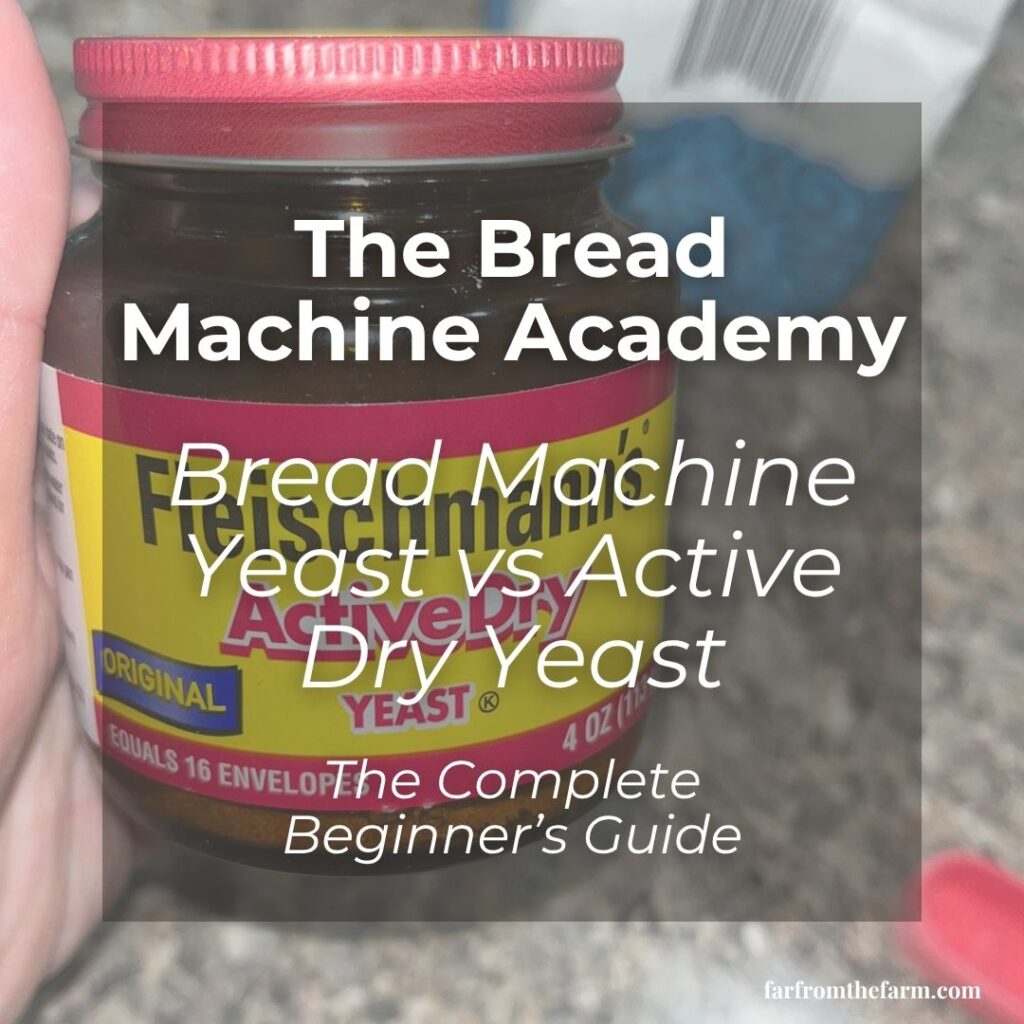
What Is Active Dry Yeast?
For many years, active dry yeast was the yeast most home bakers kept in their cupboards.
Unlike bread machine yeast or instant yeast, the granules are slightly larger and traditionally needed to be dissolved in warm water before being added to the dough. This process is known as blooming or proofing the yeast.
As the yeast wakes up, it begins feeding on the sugars in the water and produces bubbles. Seeing that foamy layer appear on top is a good indication that the yeast is still alive and ready to use.
Modern active dry yeast is often produced a little differently than it used to be, and many manufacturers now state that it can be mixed directly into the flour without blooming first.
That works perfectly well for many recipes. Personally though, I still bloom mine first. I’ll explain why a little later.
What Is Fresh Yeast?
Fresh yeast, sometimes called compressed yeast or cake yeast, is very different from the dry yeasts most of us keep in the pantry.
Instead of dry granules, it comes as a soft block that needs to be kept refrigerated and has a much shorter shelf life.
Many professional bakers enjoy working with fresh yeast because they find it produces excellent flavour and reliable fermentation, but it isn’t nearly as convenient for most home kitchens.
Since it spoils fairly quickly and isn’t stocked in every supermarket, you’ll rarely see it used in bread machine recipes.
If you’re just getting started with bread machine baking, there’s really no need to seek out fresh yeast. Bread machine yeast, instant yeast, and active dry yeast are all much easier to find and store.
Bread Machine Yeast vs Active Dry Yeast
This is the comparison most beginners are searching for. Although both products do exactly the same job, there are a few differences between them…
| Bread Machine Yeast | Active Dry Yeast |
|---|---|
| Fine granules | Slightly larger granules |
| Usually mixed directly with dry ingredients | Traditionally bloomed first |
| Activates very quickly | Activates a little more slowly |
| Ideal for delayed start cycles | Also works well but many bakers still bloom it |
| Excellent for bread machines | Works in both bread machines and traditional baking |
The important thing to remember is that both types will make excellent bread.
The difference isn’t that one is “better.” They’re simply designed to be used slightly differently.
Can You Substitute One for Another?
Most of the time, yes. For everyday bread machine baking, these substitutions generally work very well.
| If your recipe calls for… | You can usually substitute… |
|---|---|
| Bread Machine Yeast | Instant Yeast |
| Instant Yeast | Bread Machine Yeast |
| Active Dry Yeast | Bread Machine Yeast* |
| Active Dry Yeast | Instant Yeast* |
*If you’re using active dry yeast, I recommend blooming it first before adding it to the bread pan.
Fresh yeast can also be substituted, but the conversion is different and it usually needs dissolving before use. Unless you regularly bake with fresh yeast, sticking with one of the dry varieties keeps things much simpler.
Do You Really Need to Bloom Active Dry Yeast?
This is one of those questions where you’ll find plenty of different opinions.
Many modern recipes and bread machine user manuals say you can skip blooming altogether, and for many brands of active dry yeast that’s absolutely true.
The yeast will usually activate once the bread machine starts mixing the ingredients together.
I still bloom active dry yeast anyway.
Why?
Because it only takes a few minutes, and it immediately tells me whether my yeast is alive before I add the rest of my ingredients.
Bread flour, butter, eggs and milk all cost money. If my yeast has expired or hasn’t been stored properly, I’d much rather find that out before I fill the bread pan than discover it two hours later when my loaf hasn’t risen.
For me, it’s simply an extra little confidence check. That doesn’t mean everyone has to do it my way.
If you prefer to follow the manufacturer’s instructions and mix everything straight into the bread machine, that’s perfectly reasonable too.
This is simply one of those habits I’ve developed over years of baking that gives me peace of mind, especially when I’m making enriched doughs or recipes with more expensive ingredients.
How To Bloom Active Dry Yeast In Your Bread Machine
If I’m using active dry yeast, I actually bloom (activate) it directly in my bread machine pan, to check that it’s viable before moving on with the rest of the recipe.
I simply pour the milk or water called for in the recipe into the bread pan first. Next, I add the sugar or honey if the recipe uses it, sprinkle the active dry yeast over the top, and give everything a quick stir to combine.
I then cover the bread pan with a piece of plastic wrap or a clean kitchen towel and leave it to sit for about 5 to 10 minutes.
If the yeast becomes nice and foamy, I know it’s active and ready to use. At that point, I simply add the remaining ingredients to the bread pan and start the programme called for in the recipe.
If nothing happens after 10 minutes, it’s usually a sign that the yeast is no longer active. I’d much rather discover that before adding the flour, butter, eggs and everything else than wonder later why the loaf didn’t rise.
It only adds a few minutes to the recipe, but it’s a habit that’s served me well over hundreds of loaves, and one I don’t see myself changing anytime soon.
How Should You Store Yeast?
Proper storage makes a much bigger difference than many people realise.
An unopened packet or jar of dry yeast should be stored according to the manufacturer’s instructions, usually in a cool, dry place.
Once opened, I recommend transferring it to an airtight container if it isn’t already in one and storing it in the refrigerator. Many bakers also keep their yeast in the freezer, where it can last even longer.
The important thing is to keep moisture away from it and always check the best-before date before baking.
If you’ve had the same jar sitting at the back of the cupboard for years, it’s probably worth replacing it. Yeast is relatively inexpensive, and fresh yeast is far less likely to leave you wondering why your loaf didn’t rise.
Common Yeast Mistakes Beginners Make
Most bread machine failures aren’t caused by the machine itself. More often than not, they come down to one or two simple mistakes.
One of the most common is using water that’s too hot. Yeast is alive, and very hot liquid can kill it before it even has a chance to start working. Warm is what you’re aiming for, not boiling.
Another mistake is assuming every failed loaf is caused by the yeast. While expired yeast certainly can be the culprit, poor measuring, incorrect flour, too much salt, or dough that’s too dry can all affect how well bread rises. That’s why I always recommend checking your dough ball as well as making sure your yeast is active.
Storage catches people out too. Leaving an opened jar sitting in a warm cupboard for months isn’t doing your yeast any favours. Keeping it sealed and refrigerated helps it stay fresh for much longer.
Finally, don’t worry if you accidentally buy instant yeast instead of bread machine yeast. For most home bakers, the two products perform so similarly that you’ll hardly notice any difference.
So Which Yeast Should You Buy?
If you’re standing in the baking aisle wondering which yeast to put in your shopping trolley, here’s a quick guide to the different types you’ll come across.
1. Active Dry Yeast
This is the yeast I buy most often because it’s widely available, reasonably priced, and works beautifully in my recipes.
Although many recipes now add it straight to the bread machine, I still prefer to bloom mine first so I know it’s active before I add the remaining ingredients.
Available on Amazon.com [ad]

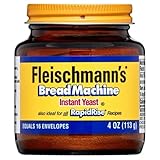
2. Bread Machine Yeast
Bread machine yeast is a type of instant yeast that’s been ground into finer granules so it dissolves quickly. It’s designed to be added directly to the bread pan with the dry ingredients and works especially well on delayed timer programmes.
If your recipe specifically calls for bread machine yeast, this is the one to reach for.
Available on Amazon.com [ad]
3. Fresh Yeast
Fresh yeast is less common in most American supermarkets but can sometimes be found in bakery departments or speciality food stores.
It produces excellent bread, although it has a much shorter shelf life than dried yeasts and usually needs converting when substituting into recipes written for active dry or instant yeast.
Available on Amazon.com [ad]
4. Instant Yeast
Instant yeast is another excellent choice for bread machines and can usually be substituted for bread machine yeast without any problems.
Because the granules are so fine, there’s no need to bloom it first unless you simply prefer to.
Available on Amazon.com [ad]


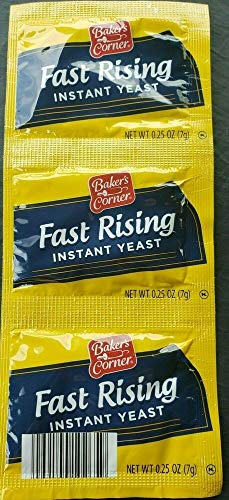
5. RapidRise or Quick-Rise Yeast
You’ll also see products labelled RapidRise, Quick-Rise, or Fast-Rise yeast.
These are all types of instant yeast that have been specially formulated to work more quickly than traditional active dry yeast. They’re designed for recipes with shorter rising times and can produce good results when a recipe specifically calls for them.
Because they work faster, I don’t usually use them as my everyday yeast for bread machine baking. Most of my recipes are written around active dry yeast (which I bloom first) or standard instant yeast, as they give more predictable results across a wider range of breads.
If a recipe specifically recommends RapidRise yeast, I’d follow the recipe as written rather than swapping it for another type.


Why You’ll Love This Guide?!
- Explains the difference between the four main types of yeast.
- Helps you choose the right yeast with confidence.
- Clears up common myths about bread machine yeast.
- Explains when you can substitute one type for another.
- Shows why many recipes don’t require blooming.
- Shares why I still choose to bloom active dry yeast.
- Perfect for beginner bread machine bakers.
- A useful reference to come back to whenever you’re trying a new recipe.
FAQ
Absolutely. Active dry yeast works very well in bread machines. I personally bloom it first, although many modern brands can be mixed directly into the dry ingredients if the manufacturer recommends it.
Almost. Bread machine yeast is generally considered a type of instant yeast with very fine granules that activate quickly when mixed directly into the dry ingredients. For most home bread machine recipes, the two can be used interchangeably.
Just don’t confuse either of them with RapidRise or Quick-Rise yeast, which are formulated for recipes with shorter rising times.
If you’re blooming active dry yeast and nothing happens after about ten minutes, there’s a good chance the yeast is no longer active. It’s best to start again with fresh yeast rather than risk wasting the rest of your ingredients.
You can, but it isn’t the easiest option for beginners. Fresh yeast needs different measurements, has a much shorter shelf life, and usually needs dissolving before it’s added. Most home bread machine bakers find dry yeast much simpler to work with.
Unopened dry yeast lasts a long time when stored correctly. Once opened, keeping it in an airtight container in the refrigerator or freezer helps extend its life. Always check the expiry date before baking.
The Takeaway
Yeast often sounds far more complicated than it really is.
Once you understand the differences between bread machine yeast, instant yeast, active dry yeast, and fresh yeast, you’ll realise they all have the same job. They’re simply prepared in slightly different ways.
For most home bread machine bakers, any fresh, good-quality dry yeast will produce excellent results when it’s used correctly.
Don’t let the different names put you off baking. Understanding your ingredients is all part of building confidence, and before long you’ll be reaching for the yeast without giving it a second thought.
Continue Learning in the Bread Machine Academy!
Ready for the next lesson?
- Understanding Bread Ingredients
- What Should a Bread Machine Dough Ball Look Like?
- Bread Flour vs All-Purpose Flour
- Bread Machine Cycles Explained
Or, if you’re ready to start baking, head over to my Bread Machine Homepage where you’ll find beginner-friendly recipes for sandwich bread, dinner rolls, pizza dough, brioche, cinnamon rolls, hamburger buns, and much more.
Why You’ll Love Using a Bread Machine In Your Kitchen!
If you’re new here, you’ll quickly learn that I am such a fan of using a bread machine for dough. It has been one of the biggest helps in my kitchen, especially during busy or overwhelming seasons.
My parents gifted me this little Compact Cuisinart Bread Machine recently when I moved from the UK to the States after getting married, and it has worked like a little powerhouse ever since!

It kneads beautifully. It rises dough evenly. It keeps everything contained in one pan so I am not dealing with flour across every surface of the kitchen.
And on days where the house feels chaotic or I am juggling too much, I can add the ingredients, press the dough button, and let it get on with the work while I focus on everything else.
It takes away so much of the guesswork and makes homemade bread, pizza dough, cinnamon rolls, soft rolls, and sweet bakes feel much simpler.
It has also been a real blessing for our budget. Homemade dough costs pennies compared to store prepared versions and certainly compared to eating out. As a military family on baby step 2 of our debt free journey, little savings like that matter across an entire month.
Check out The Bread Machine Academy today!
Learn bread machine baking with beginner-friendly guides on flour, yeast, ingredients, troubleshooting, dough cycles, tips, and techniques!
If you have ever felt intimidated by bread making, this is your gentle nudge to give it a try. A dough cycle handles all the kneading for you.
You get soft, reliable, fluffy dough without standing over a counter for ages or worrying if things rose the way they should. It makes homemade cooking feel doable, even on days that are far from calm.
Browse Bread Machine Recipe Type
There are so many beginner friendly ideas to help you feel confident and excited about homemade dough – join the Facebook group today and share recipes and tips for perfect bread, every time!
Join our new Facebook Group!
THE BEST BREAD STARTS WITH THE RIGHT COMMUNITY…
Beginner-Friendly Bread Machine and Bread Recipes is our new Facebook group for home bakers who want bread baking to feel simple, doable, and encouraging.

Share & Rate This Guide!
If this guide helped make sense of the different types of yeast, I’d love to hear from you! Leave a comment below and let me know which yeast you use most often in your bread machine.
Last update on 2026-10-08 / Affiliate links / Images from Amazon Product Advertising API