

A Hearty and Delicious Light Wholewheat Pasta You Can Make At Home!
Make soft, silky, slightly nutty pasta at home using a simple mix of wholewheat and white flour in your KitchenAid mixer.
Hi! If you’ve been following me for long you’ll already know this, but for those who are new, welcome to Far From The Farm. I’m Mona, the Brit behind the recipes, learning life and food in the States while sharing our debt-free journey and what’s on the menu in our home today!
Fresh pasta has become one of my comfort kitchen rituals. There is something so calming about cracking eggs into the mixer, watching the dough come together, then rolling out long golden sheets that turn into fettuccine or lasagna. It feels fancy, but once you have the hang of it, it is honestly very simple.
Pretty early on we were gifted the KitchenAid pasta attachments as a wedding present, and they have been one of the best gifts.
They turn pasta making from a once in a blue moon project into something I can actually fit into our real life. The mixer kneads. The roller smooths everything out. The cutters give those perfect ribbons of pasta that look restaurant ready!

As a military family on baby step 2 of our debt free journey, we do not have an endless eating out budget. Making our own pasta at home has been a lovely way to feel a bit spoiled while still being careful with our grocery money. A bag of flour and a carton of eggs go a very long way!
One month we had been gifted quite a lot of whole wheat flour and as my husband actually prefers that heartier wholewheat taste in most of his baked goods, I had to see if I could work that into our pasta too.
(Note: British English spells it as ‘Wholewheat’ so I apologise if that slips in every now and again! I do try to remember to use the U.S. spelling of ‘Whole wheat’ when I remember!)
After a few rounds of testing, I settled on this half and half mix of whole wheat and all purpose flour.
It has the best of both worlds. The nutty, toasty flavour of whole wheat, but still that velvety tenderness that makes fresh egg pasta so special.
Any higher than a one to one ratio and things start to feel too dense for our taste, so this is the sweet spot for our family.
It’s also an easy win whenever I can come up with new recipes or ways to cut down our grocery bill and still eat tasty food without feeling like we’re missing out and we cut down on our grocery spend!
And just a reminder that if you’re struggling and you need help with managing your budget or starting your own debt free journey then here’s some FREE resources below you may find helpful!
living frugally and fully
free tips and resources to make the most of what you have
I love to batch make this dough on a quiet afternoon, roll and cut it all in one go, cook some for dinner that night and freeze the rest. That way I only have to get the counters messy once, and we have homemade pasta ready to go for future busy evenings.
As always, these photos are from my real kitchen here in our sweet military base home. No AI recipe images or staged lighting or spotless marble counters. Just real life and real food made in a small space. Proof that you can feed your family well without needing a dream kitchen or fancy tools!
So roll up your sleeves, dust some flour on the counter, and come make this light whole wheat fresh egg pasta with me. It looks fancy in the bowl, but it is completely doable on a regular weekday!
Make This Recipe With Me!
Sometimes it’s just easier to watch a video than read a recipe card isn’t it?! So here’s a quick tutorial on how to make this simple and delicious recipe at home and on a budget – thank you for joining me in the kitchen today!
Equipment
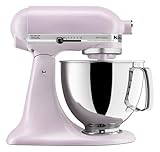
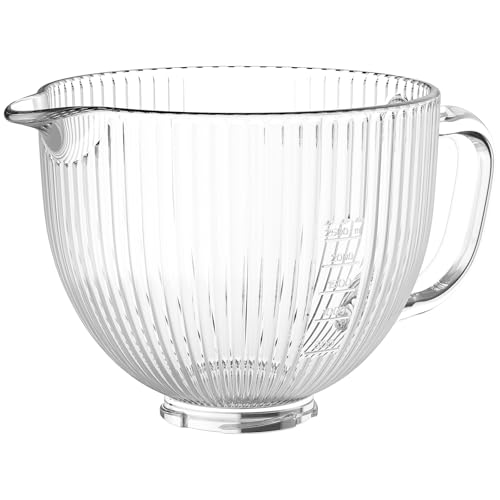
- KitchenAid mixer or other stand mixer with dough hook and mixing bowl
- Measuring cups and spoons
- Plastic wrap
- KitchenAid pasta roller and cutter attachments
- Bench scraper or sharp knife
- Baking sheets
- Foil or parchment paper for lining trays and resting pasta
Available on Amazon.com [ad]




Ingredients
Makes enough fresh pasta for about 6 to 8 servings
- 8 large eggs
- 2 cups whole wheat flour
- 2 cups all purpose flour
- 1 tablespoon olive oil
- 3 ½ teaspoons salt
- Extra all purpose flour for dusting the counter, pasta roller, and cut noodles
Step By Step Instructions
Step 1. Add the eggs to the mixer bowl
Crack the 8 eggs into the bowl of your stand mixer. Make sure there are no stray bits of shell in there.
Step 2. Add the flours
Add the 2 cups whole wheat flour and 2 cups all purpose flour straight into the bowl on top of the eggs.
Whole wheat flour tends to pack a little tighter in the cup, so use a spoon to scoop it into the measuring cup and level it off for accuracy.
Step 3. Add olive oil and salt
Pour in the 1 tablespoon olive oil and sprinkle in the 3 ½ teaspoons of salt.
The olive oil helps the dough feel supple and a bit easier to roll. The salt is important for flavour. Without it, the pasta can taste a little flat.

Step 4. Mix the dough in the stand mixer
Attach the dough hook and lock the mixer head down.
Start on the lowest speed, often labelled “stir” or speed 1. Let it mix until the flour and eggs begin to come together.
Once there are no big dry patches, move up to speed 2 and allow the mixer to knead for about 3 to 5 minutes.
Whole wheat flour absorbs moisture a little differently to white flour, so the dough may look slightly rougher or darker than your usual fresh egg pasta. It should still start to form a soft ball that cleans most of the sides of the bowl.
If it looks very dry and crumbly at the 5 minute mark, drizzle in an extra teaspoon of olive oil and keep going until it’s all incorporated. Avoid adding more flour during this stage.
Step 5. Finish kneading by hand
When the dough has mostly come together, turn it out onto a lightly floured counter.
This dough feels a little softer and less dry than an all white flour pasta dough, so do not dump loads of flour on the counter. A light dusting is enough.
Knead by hand for 2 to 3 minutes. Press the heel of your hand into the dough, fold it over, turn, and repeat.
You are looking for a smooth ball that feels springy and slightly tacky instead of sticky. If it clings to the counter, dust just the tiniest amount of flour under it and carry on.

Step 6. Wrap and chill the dough
Shape the dough into a ball.
Lightly coat it with a touch of olive oil so it does not dry out, then wrap it tightly in plastic wrap.
Place the wrapped dough into the fridge for at least 1 hour. You can also chill it for up to 24 to 36 hours if that fits your schedule better.
This rest time is important. It allows the gluten to relax and the whole wheat flour to fully hydrate, which gives you smoother, easier to roll pasta.
Step 7. Knead again after chilling
When you are ready to roll pasta, take the dough out of the fridge and unwrap it.
Knead it on a clean counter for about 1 minute just to loosen it up. You will feel it go from firm and cold to a slightly more flexible, glossy dough that is ready to roll.
Step 8. Divide into manageable pieces
Use a bench scraper or sharp knife to cut the dough into about 8 equal pieces.
If you prefer larger lasagna sheets, you could divide into 6 pieces instead.
Shape each piece into a little short, fat sausage and flatten it with your hand. Keep any pieces you are not working with wrapped in plastic or covered with a clean towel so they do not dry out.

Step 9. Set up the pasta roller and trays
Attach the pasta roller to the front of your KitchenAid mixer according to the instructions.
Line two baking sheets with parchment paper or foil. Dust them lightly with flour.
Have a little bowl of flour nearby to dip your hands or dust the dough if needed. This keeps everything from sticking as you work.
Step 10. Start rolling the dough on the widest setting
Set the roller to the widest setting, usually number 1 on the dial.
Turn the mixer to the lowest speed.
Feed one piece of dough through the roller. Catch it gently with your other hand as it comes out, supporting the sheet so it does not tear.
Fold the sheet in thirds like a letter, dust lightly with flour, and pass it through again on level 1.
Repeat this process 3 or 4 times until the sheet looks smooth and even.
Step 11. Roll thinner in stages
Once the dough looks smooth on level 1, turn the dial to level 2.
Pass the sheet through once.
Dust lightly with flour if needed, then move to level 3 and pass it through again.
Continue like this up to level 5. For our family, level 5 gives a lovely balance of tenderness and strength. You still get that delicate feel, but the pasta does not fall apart in the pot.
Lay the finished sheet on one of your floured trays and cover lightly. Repeat with the remaining pieces of dough until all are rolled to level 5.

Step 12. Cut into your preferred shape
At this point you can use the sheets as they are for lasagna or ravioli.
If you want long noodles, switch the roller attachment for your fettuccine or spaghetti cutter.
Feed each sheet through the cutter once. Catch the noodles with your hand as they emerge and either form loose nests or lay them flat on the prepared trays, dusting with flour so they do not stick.
How to Cook Whole Wheat Fresh Pasta

Fresh pasta cooks fast, so keep an eye on the pot. Bring a large pot of well salted water to a rolling boil, then use these timings as a guide:
- Fettuccine: 3 to 5 minutes
- Spaghetti: 2 to 4 minutes
- Lasagna sheets: 30 to 60 seconds per sheet
- Ravioli: 3 to 4 minutes, or until they float
If you’re cooking pasta that was prepped earlier and stored in the fridge, simply add an extra 30 seconds to the times above to account for the cold dough.
Taste a piece to check doneness. You’re looking for a soft, silky bite with a little chew. Drain well and toss immediately with sauce or a drizzle of olive oil or butter, so the noodles don’t stick together.
How to Cook Whole Wheat Pasta From Frozen
Frozen pasta cooks beautifully and tastes just like fresh. There’s no need to thaw it first, just drop the frozen nests or strands straight into boiling salted water. Use this timing as a guide:
- Frozen fettuccine: 4 to 6 minutes
- Frozen spaghetti: 3 to 5 minutes
- Frozen ravioli: 4 to 6 minutes
- Frozen lasagna sheets: 1 to 2 minutes
Give it a gentle stir during the first minute so the strands do not stick together. Taste a piece to check doneness. Add a little time if needed. Drain and serve immediately.
How to Cook Dried Homemade Whole Wheat Pasta
If you’ve let your pasta dry on trays for a few hours or left it out overnight, the cooking time stays almost the same as fresh pasta. The only real difference is that the pasta takes about 30 to 60 seconds longer to soften because the edges firm up as they dry.
Use these timings as your guide:
- Fettuccine: 3 to 6 minutes
- Spaghetti: 2 to 5 minutes
- Lasagna sheets: 45 to 90 seconds
- Ravioli: 3 to 5 minutes, or until they float
Start checking early. Homemade dried pasta softens much faster than store-bought boxed pasta, and you still want that tender bite without going mushy. As soon as it tastes right, drain, toss with sauce, and serve.
Notes and Troubleshooting
Notes
- The half and half mix of whole wheat and all purpose flour gives a hearty flavour without losing the tenderness that makes fresh pasta so lovely.
- If you enjoy a more rustic texture, swap a little more of the white flour for whole wheat, but try not to go beyond a 60 to 40 split or things can become heavy.
- Olive oil in the dough adds a bit of richness and helps prevent the pasta from drying out while it rests.
- Keep any dough you are not using covered to stop the surface from crusting over. That little step makes rolling much easier.
Troubleshooting
Dough feels very dry and crumbly in the mixer
Add 1 teaspoon of olive oil and keep mixing. Whole wheat can be a bit thirstier than white flour. Give it time to hydrate before adding any more liquid.
Dough is too sticky to handle
Dust your counter and hands lightly with flour. Whole wheat can seem sticky at first, but try not to overdo the flour or the pasta will turn out tough.
Sheets tearing as they go through the roller
They may be too dry or set too thin too quickly. Drop back to a wider setting, fold in thirds, and roll again with a light dusting of flour.
Cooked pasta feels dense and heavy
Make sure you are rolling to a thin enough level. Level 5 is a good starting point. Also check that you are not adding too much extra flour during kneading and rolling.
Storage
- Store freshly cut pasta on floured trays, covered, in the fridge for up to 2 days.
- For longer storage, freeze nests of pasta on a tray until solid, then move to a container or freezer bag. Use within 1 to 2 months for best flavour.
- Cook refrigerated pasta in boiling salted water for 3 to 5 minutes.
- Cook frozen pasta straight from the freezer, adding about 1 to 2 minutes to your usual cooking time.
Serving Ideas
This light whole wheat fresh pasta is lovely with:
- Creamy mushroom or chicken Alfredo
- Simple olive oil, garlic, and Parmesan
- Tomato basil marinara
- Chunky vegetable or sausage ragù
- As a heartier base under meatballs or grilled chicken
- In a cosy pasta bake with cheese and roasted vegetables
It has enough body to stand up to richer sauces, but still feels soft and silky in the bowl.
Why You Will Love This Recipe?!
- Uses half whole wheat flour for more flavour and fibre without losing tenderness
- The KitchenAid mixer and pasta attachments make the process feel achievable even on busy days
- Freezer friendly, so you can batch prep and enjoy homemade pasta later
- Simple ingredients that are easy to keep on hand
- Flexible for different shapes, sauces, and family preferences
- A lovely way to stretch your grocery budget while still feeling a bit spoiled at dinner
FAQ
Can I use only whole wheat flour for this pasta?
You can, but it will be much denser and a little more challenging to roll thinly. The half whole wheat, half all purpose mix keeps the pasta hearty yet tender.
Do I need a KitchenAid mixer for this recipe?
No. You can mix everything in a bowl and knead by hand. The mixer just takes some of the physical work off your plate, which I appreciate on long days.
Can I skip the resting time in the fridge?
I would not. Resting allows the gluten to relax and the whole wheat to hydrate. Without that pause, the dough can feel tight and difficult to roll.
How do I stop the noodles from sticking together after cutting?
Dust them with flour as you go and either form loose nests or lay them out in single layers on floured parchment and allow them to dry a little. Toss with a little olive oil or butter after cooking.
Is this pasta good for lasagna or ravioli?
Yes. Roll to level 5, cut into sheets, and use as you would any fresh pasta sheet. The whole wheat adds a lovely flavour under creamy fillings or sauces.

The Best Whole Wheat Fresh Egg Pasta KitchenAid Recipe!

Ingredients
Equipment
Method
- Crack the 8 eggs into the bowl of your stand mixer. Make sure there are no stray bits of shell in there.
- Add the 2 cups whole wheat flour and 2 cups all purpose flour straight into the bowl on top of the eggs.Whole wheat flour tends to pack a little tighter in the cup, so use a spoon to scoop it into the measuring cup and level it off for accuracy.
- Pour in the 1 tablespoon olive oil and sprinkle in the 3 ½ teaspoons of salt.The olive oil helps the dough feel supple and a bit easier to roll. The salt is important for flavour. Without it, the pasta can taste a little flat.
- Attach the dough hook and lock the mixer head down.Start on the lowest speed, often labelled “stir” or speed 1. Let it mix until the flour and eggs begin to come together.Once there are no big dry patches, move up to speed 2 and allow the mixer to knead for about 3 to 5 minutes.Whole wheat flour absorbs moisture a little differently to white flour, so the dough may look slightly rougher or darker than your usual fresh egg pasta. It should still start to form a soft ball that cleans most of the sides of the bowl.If it looks very dry and crumbly at the 5 minute mark, drizzle in an extra teaspoon of olive oil and keep going until it's all incorporated. Avoid adding more flour during this stage.
- When the dough has mostly come together, turn it out onto a lightly floured counter.This dough feels a little softer and less dry than an all white flour pasta dough, so do not dump loads of flour on the counter. A light dusting is enough.Knead by hand for 2 to 3 minutes. Press the heel of your hand into the dough, fold it over, turn, and repeat.You are looking for a smooth ball that feels springy and slightly tacky instead of sticky. If it clings to the counter, dust just the tiniest amount of flour under it and carry on.
- Shape the dough into a ball.Lightly coat it with a touch of olive oil so it does not dry out, then wrap it tightly in plastic wrap.Place the wrapped dough into the fridge for at least 1 hour. You can also chill it for up to 24 to 36 hours if that fits your schedule better.This rest time is important. It allows the gluten to relax and the whole wheat flour to fully hydrate, which gives you smoother, easier to roll pasta.
- When you are ready to roll pasta, take the dough out of the fridge and unwrap it.Knead it on a clean counter for about 1 minute just to loosen it up. You will feel it go from firm and cold to a slightly more flexible, glossy dough that is ready to roll.
- Use a bench scraper or sharp knife to cut the dough into about 8 equal pieces.If you prefer larger lasagna sheets, you could divide into 6 pieces instead.Shape each piece into a little short, fat sausage and flatten it with your hand. Keep any pieces you are not working with wrapped in plastic or covered with a clean towel so they do not dry out.
- Attach the pasta roller to the front of your KitchenAid mixer according to the instructions.Line two baking sheets with parchment paper or foil. Dust them lightly with flour.Have a little bowl of flour nearby to dip your hands or dust the dough if needed. This keeps everything from sticking as you work.
- Set the roller to the widest setting, usually number 1 on the dial.Turn the mixer to the lowest speed.Feed one piece of dough through the roller. Catch it gently with your other hand as it comes out, supporting the sheet so it does not tear.Fold the sheet in thirds like a letter, dust lightly with flour, and pass it through again on level 1.Repeat this process 3 or 4 times until the sheet looks smooth and even.
- Once the dough looks smooth on level 1, turn the dial to level 2. Pass the sheet through once.Dust lightly with flour if needed, then move to level 3 and pass it through again.Continue like this up to level 5. For our family, level 5 gives a lovely balance of tenderness and strength. You still get that delicate feel, but the pasta does not fall apart in the pot.Lay the finished sheet on one of your floured trays and cover lightly. Repeat with the remaining pieces of dough until all are rolled to level 5.
- At this point you can use the sheets as they are for lasagna or ravioli.If you want long noodles, switch the roller attachment for your fettuccine or spaghetti cutter.Feed each sheet through the cutter once. Catch the noodles with your hand as they emerge and either form loose nests or lay them flat on the prepared trays, dusting with flour so they do not stick.Check the notes section for cooking times!
Video
Notes
How to Cook Whole Wheat Fresh Pasta (All Methods)
Fresh pasta cooks quickly, so keep a close eye on the pot. Bring a large pot of well salted water to a rolling boil, then use these timings as a guide:- Fresh fettuccine: 3 to 5 minutes
- Fresh spaghetti: 2 to 4 minutes
- Fresh lasagna sheets: 30 to 60 seconds
- Fresh ravioli: 3 to 4 minutes, or until they float
- Frozen fettuccine: 4 to 6 minutes
- Frozen spaghetti: 3 to 5 minutes
- Frozen lasagna sheets: 1 to 2 minutes
- Frozen ravioli: 4 to 6 minutes
- Dried fettuccine: 3 to 6 minutes
- Dried spaghetti: 2 to 5 minutes
- Dried lasagna sheets: 45 to 90 seconds
- Dried ravioli: 3 to 5 minutes
Storage
- Store freshly cut pasta on floured trays, covered, in the fridge for up to 2 days.
- For longer storage, freeze nests of pasta on a tray until solid, then move to a container or freezer bag. Use within 1 to 2 months for best flavour.
Related Recipes:
Check out all our Pasta Recipes HERE!Nutrition information is automatically calculated, so should only be used as an approximation.

The Takeaway
This light whole wheat fresh egg pasta is a beautiful balance between hearty and delicate. You still get that glossy, silky texture that makes homemade pasta feel special, but with a warm, nutty flavour that loves rich sauces and cosy winter dinners.
Your KitchenAid mixer and pasta attachments do most of the heavy lifting. You add a bit of kneading, a bit of rolling, and before you know it there are trays of fresh noodles resting on the counter.
It is the kind of recipe that looks impressive in the bowl, tastes even better the next day, and quietly supports your budget by turning simple pantry staples into something that feels like a treat.
What To Try Next?!


Share & Rate This Recipe!
If this light whole wheat pasta makes your dinners feel a little more special, tap the stars in the recipe card or leave a quick comment on the blog. Share it with a friend who loves their KitchenAid mixer as much as you do!
Last update on 2026-10-19 / Affiliate links / Images from Amazon Product Advertising API


