
(Without Losing Your Mind!)

From Showhome Expectations to Clutterbug Acceptance: How I Make My Home ADHD-Friendly!
I’m a self-confessed Type A, goal-orientated, perfectionist, show-home-standards-obsessed wife. If you’re like me, you’ve probably spent years trying to create the perfect home environment, only to feel frustrated when your family leaves piles of things everywhere like little clutterbugs.
Today, in case you’re the same situation – I want to share my journey of how I stopped trying to make my home look like it belongs in a magazine and started to embrace the unique needs of my husband and other family members who have ADHD or are neurodiverse.
The Turning Point
For years, I was relentless in my quest for a spotless home. Everything had a place, and everything needed to be in its place. But my husband, bless his heart, seemed to thrive in organized chaos. His morning routine was a mess, and his things were always scattered around.
It drove me nuts! Then one day, I decided to read up on ADHD and neurodiversity. What I learned changed everything for us.
People with ADHD often need visual prompts to remind them of tasks. Unlike neurotypical individuals who can easily remember to brush their teeth or shave, those with ADHD might need to see all their morning ritual items in one place to be reminded of what they need to do.
This realization was a game-changer for me. I understood that my husband’s needs were just as valid as my need for tidiness.
Understanding ADHD and the Need for Visual Prompts
Through my research, I discovered that people with ADHD often rely on visual prompts to remind them of tasks. Unlike neurotypical individuals who can easily remember daily routines like brushing their teeth or shaving, those with ADHD may need to see all their morning ritual items laid out to remember what they need to do.
This was a game-changer for me. I realized that my husband’s seemingly chaotic methods weren’t just habits; they were coping mechanisms that helped him function.
Available on Amazon.com [ad]


How to Live in Harmony with Your ADHD Husband
With this newfound understanding, I knew I needed to shift my mindset. Instead of trying to mold my family into my ideal of how home organization should look, I decided to embrace their needs and find a balance that worked for all of us.
Here are 7 practical strategies I implemented to make life smoother for my husband and to create a home environment that supports him and makes me happy too!
7 Practical Ways to Make Your Home ADHD friendly!
1. Designated Catch-All Areas
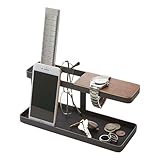
One of the biggest changes I made was to create designated catch-all areas. I used to get so frustrated when my husband would dump his things in random places.
But I learned that moving these items can be distressing for someone with ADHD.
So, I set up specific areas where he could drop his stuff, one in the garage for when he came home from work, and one in the living room for weekends.
To keep these areas from looking like a complete mess, I used little storage boxes. This way, he knew exactly where his things were, and I could keep the house looking tidy. It worked so well that he even started using a storage box in his car!
Available on Amazon.com [ad]


2. Minimize Distractions in the Bathroom
Morning routines were a struggle for my husband. He needed to see all the items he used in the morning at once to remember each step.
Initially, I tried leaving everything out on the counter, but my Type A personality couldn’t handle the clutter and dust.
Our compromise? I got him a small bathroom cupboard that stands over the toilet. Inside, I only put the items he needs for his morning routine—nothing more, nothing less.
This minimized distractions, kept the bathroom looking neat, and ensured he could easily find everything he needed without getting sidetracked.
Available on Amazon.com [ad]


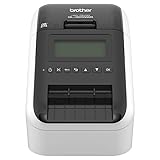
3. Label EVERYTHING!
When we first got married, we had a long-distance relationship for four years. Every time I came home, I had to reorganize the kitchen because nothing was where it was supposed to be.
This was a constant source of frustration until I decided to label the cupboards and pantry.
We didn’t have a big budget for fancy storage solutions, so I got creative with what we had—cardboard boxes from Amazon deliveries.
I labeled everything with printer paper, laminated it, and used a Sharpie. It wasn’t pretty, but it was functional and made a huge difference.
The labeling helped my husband know exactly where everything belonged, reducing the time spent searching for items and reorganizing the kitchen and reduced the amount of time he had to spend searching for everything.
If you don’t already have one, I highly recommend getting a laminator. It’s an inexpensive tool that can make your labeling efforts more durable and professional-looking.
Available on Amazon.com [ad]


4. Minimal Decor
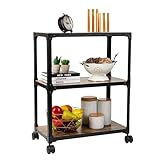
I learned that people with ADHD function better in minimally cluttered spaces, even if they struggle to create them. So, I removed all unnecessary and rarely used bulky furniture items from our home.
The result? Our home now looks so minimal that it makes IKEA look cluttered!
If an item didn’t serve a purpose, it was gone. This change not only helped my husband focus better but also made cleaning and organizing much easier for me!
The minimalist approach reduced the visual noise in our home, which in turn reduced stress levels for both of us.
Available on Amazon.com [ad]


5. Routine Reminders with Digital Tools
People with ADHD often struggle with time management and keeping track of their daily tasks.
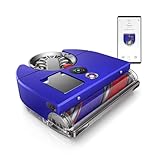
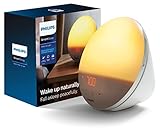
My husband is a big advocate for digital reminders through apps on his phone and smart devices around the house – so I leaned in to this and fully embraced smart devices in our home. Now every room has one!
These digital tools have become an integral part of our household routine, providing gentle nudges throughout the day to help him manage his time more effectively, and I’ve even started using them for cooking timers and to play podcasts when I’m cleaning – win win! Here’s some of our faves:
Available on Amazon.com [ad]



6. Creating “Zones” for Different Activities
To help with organization and focus, I divided our home into specific zones for different activities. Each room or area now has a designated purpose, whether it’s for work, relaxation, or hobbies.
For instance, our living room is now a relaxation zone with minimal distractions, while the office is strictly for work and study.
By creating these zones, it has become easier for my husband to transition between activities without carrying clutter or distractions from one area to another.
It also helps reinforce the habit of keeping items in their designated places, reducing the likelihood of them being misplaced.
Available on Amazon.com [ad]


7. Prioritizing a Clean Home for a Positive Impact
I’m so thankful that I have a husband who supports my dream to be a stay at home wife and running a small business – not all women have the time (or inclination) to spend each day on creating a tidy home. That’s ok, then this part might not be for you.
But it has such a significant impact on us all that keeping the house clean became a priority for me, not just for my sanity but for his well-being too.
Having a guest-ready home just makes life more relaxing in general. I never have to worry if someone pops by unannounced, or if I have to host last minute. We just generally have lots more fun when everything’s in order, it’s worth a small amount of effort on my part!
Now in fairness, it’s pretty easy to achieve for this Type A – housewife. I dedicate the first hour of my day to vacuuming, doing the laundry, and tidying up the dishes. Because I do it daily the normal day-to-day cleaning takes me less than an hour and I count it towards getting my steps in!
This routine not only sets a positive tone for my day but also creates a calm and organized environment for my husband. If you or your spouse are struggling in this area I encourage you to try this, even for a week, and see if your loved ones have a similarly positive response.
Available on Amazon.com [ad]



Embracing Change: The Power of Adaptability
The biggest improvement in our home wasn’t just the physical changes but the adjustment in mindset. Marriage is about coming together as a team, and it’s important to recognize that trying to make someone fit into an ideal of home organization isn’t always fair.
Everyone’s needs matter, and sometimes that means letting go of the idea of a perfect home.
By embracing change and being willing to adapt, it’s possible to create a home that is both functional and supportive. Many of the things that seemed so important—like a perfectly organized kitchen or a spotless living room—pale in comparison to creating a space where everyone feels comfortable and supported.
Available on Amazon.com [ad]


The Takeaway
Creating an ADHD-friendly home isn’t about giving up on organization or letting chaos reign; it’s about finding a balance that works for everyone.
By understanding the unique needs of your loved ones, especially those with ADHD, and a few tweaks here and there, it’s possible to create a living environment that is both functional and supportive!
Share
I would love to hear from you! Do you have any other suggestions or tips that work for your family? Please share them in the comments below.
Last update on 2026-09-12 / Affiliate links / Images from Amazon Product Advertising API


One Comment