The Complete Beginner’s Guide to Bread Machine Ingredients!
“Every ingredient in your bread machine recipe has an important job. Understanding what each one does will help you bake better bread every time.”
Hi! If you’ve been following me for long you’ll already know this, but for those who are new, welcome to Far From The Farm.
I’m Mona, the Brit behind The Bread Machine Academy. This is where I share the skills, techniques, and troubleshooting tips I’ve learned through hundreds of loaves, so you can bake with confidence and understand what’s happening every step of the way!
One of the biggest mistakes new bread machine owners make is thinking bread recipes are simply a list of ingredients to throw into the pan.
They’re not. Every single ingredient has a purpose.
Some create structure. Some help the dough rise. Some improve flavor. Others keep your bread soft for days.
Once you understand what each ingredient contributes, you’ll stop wondering why a loaf failed and start knowing exactly what to adjust next time!
Why Bread Ingredients Matter
Bread is surprisingly simple.
Most everyday loaves contain fewer than ten ingredients.
Yet those few ingredients work together in a carefully balanced way.
Change one ingredient too much and you’ll often notice a difference in:
- Rise
- Texture
- Flavor
- Crust
- Shelf life
- Color
That’s why understanding ingredients is one of the biggest steps toward becoming a confident bread baker.
1. Flour
Flour is the foundation of every loaf.
Not all flour behaves the same way, though.
Bread flour contains more protein than all-purpose flour, allowing stronger gluten to develop during kneading.
Those gluten strands trap the carbon dioxide produced by yeast and help your loaf rise tall instead of spreading outward.
Some recipes also use:
- Whole wheat flour
- Rye flour
- Spelt flour
- Gluten-free flour blends
Each behaves differently and often requires recipe adjustments.
2. Yeast
Yeast is what makes bread rise.
It’s a living organism that feeds on sugars in the dough and releases carbon dioxide.
Those tiny bubbles become trapped inside the gluten network, making your dough expand during rising.
For bread machines you’ll usually see:
- Instant yeast
- Bread machine yeast
- Rapid-rise yeast
- Active dry yeast
The good news? Most recipes can be adapted for whichever type you have once you understand the differences.
3. Water
Water might seem boring, but it’s one of the most important ingredients in bread.
It:
- Activates the yeast
- Hydrates the flour
- Allows gluten to form
- Determines how soft or firm the dough becomes
Too much water creates sticky dough. Too little creates dry, dense bread.
This is why checking your dough ball during the first knead is so important.
4. Salt
Salt does much more than season bread.
It also:
- Strengthens gluten
- Controls yeast activity
- Improves texture
- Helps create a better crust
Leaving salt out completely usually causes dough to rise too quickly before collapsing.
Even if you’re reducing sodium, it’s worth understanding what salt contributes before making substitutions.
5. Sugar
Many people think sugar exists simply to feed the yeast. But that’s only part of the story.
Sugar also:
- Adds sweetness
- Encourages browning
- Helps keep bread soft
- Improves moisture retention
Many everyday sandwich breads use very little sugar, while enriched breads like brioche use much more.
6. Butter and Oil
Fats make bread softer and richer. Butter provides flavor. Oil usually creates a softer crumb that stays fresh longer.
Some recipes use shortening or lard for slightly different textures. While many fats can be substituted, the finished loaf may feel different.
7. Eggs
Eggs are common in enriched breads like brioche and challah.
They contribute:
- Richness
- Color
- Structure
- Softer crumb
- Longer freshness
Not every bread recipe contains eggs. Simple sandwich loaves often don’t need them.
8. Milk and Milk Powder
Many bread machine recipes include nonfat dry milk.
It adds:
- Better browning
- Softer texture
- Slight sweetness
- Longer shelf life
Fresh milk can often be substituted, but recipes sometimes need slight adjustments. For dairy-free baking there are excellent alternatives as well.
7. Optional Bread Improvers
Some recipes include ingredients that aren’t essential but can improve results.
These include:
Vital Wheat Gluten
- Adds strength to lower-protein flours.
- Especially useful for whole wheat bread.
Available on Amazon.com [ad]

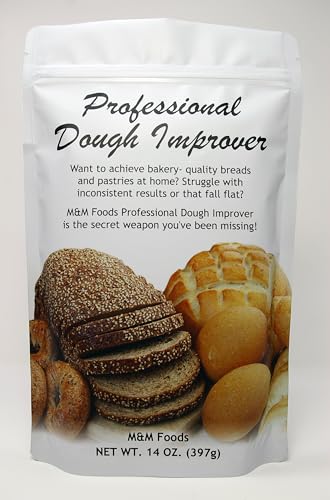
Dough Improver
- Commercial blends often contain vitamin C, enzymes and dough conditioners.
Available on Amazon.com [ad]
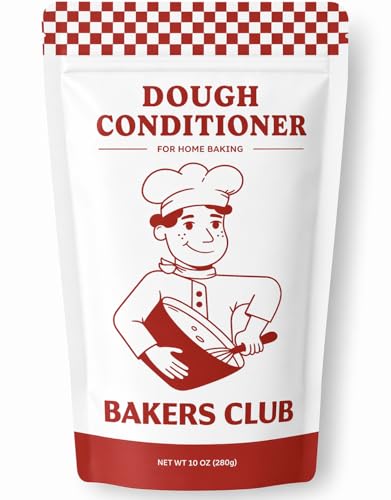
Dough Conditioner
- Helps create softer bread with better volume.
- These ingredients are optional.
- Many excellent loaves require none of them.
Available on Amazon.com [ad]
Reading a Bread Machine Recipe
Once you understand the ingredients, you’ll begin reading recipes differently.
Instead of seeing:
- 4 cups flour
- 1½ teaspoons yeast
- 1 tablespoon butter
You’ll understand why those amounts matter.
If you substitute ingredients, you’ll also know what effect they may have on your finished loaf.
That’s when bread baking becomes much less intimidating.
FAQs
Your loaf may not rise quite as high depending on the protein content of your flour.
Milk powder improves texture, color, and shelf life without changing the liquid balance of the dough.
Many recipes work with reduced sugar, although flavor, browning, and texture may change.
Usually yes.
Because honey contains water and is sweeter than sugar, recipes often need slight adjustments.
Salt controls yeast activity and strengthens gluten.
Without it, bread often over-rises before collapsing.
Vital wheat gluten is concentrated wheat protein used to strengthen dough made with lower-protein flours.
The Takeaway
Great bread doesn’t come from expensive ingredients.
It comes from understanding what each ingredient contributes to the finished loaf.
Once you know why flour develops gluten, why yeast creates rise, why salt controls fermentation, and why fats keep bread soft, you’ll be able to troubleshoot recipes with confidence and make thoughtful substitutions when needed.
The more you understand your ingredients, the better every loaf becomes!
Continue Learning in the Bread Machine Academy!
Ready for the next lesson?
Why You’ll Love Using a Bread Machine In Your Kitchen!
If you’re new here, you’ll quickly learn that I am such a fan of using a bread machine for dough. It has been one of the biggest helps in my kitchen, especially during busy or overwhelming seasons.
My parents gifted me this little Compact Cuisinart Bread Machine recently when I moved from the UK to the States after getting married, and it has worked like a little powerhouse ever since!

It kneads beautifully. It rises dough evenly. It keeps everything contained in one pan so I am not dealing with flour across every surface of the kitchen.
And on days where the house feels chaotic or I am juggling too much, I can add the ingredients, press the dough button, and let it get on with the work while I focus on everything else.
It takes away so much of the guesswork and makes homemade bread, pizza dough, cinnamon rolls, soft rolls, and sweet bakes feel much simpler.
It has also been a real blessing for our budget. Homemade dough costs pennies compared to store prepared versions and certainly compared to eating out. As a military family on baby step 2 of our debt free journey, little savings like that matter across an entire month.

Check out The Bread Machine Academy today!
Learn bread machine baking with beginner-friendly guides on flour, yeast, ingredients, troubleshooting, dough cycles, tips, and techniques!
If you have ever felt intimidated by bread making, this is your gentle nudge to give it a try. A dough cycle handles all the kneading for you.
You get soft, reliable, fluffy dough without standing over a counter for ages or worrying if things rose the way they should. It makes homemade cooking feel doable, even on days that are far from calm.
Browse Bread Machine Recipe Type
There are so many beginner friendly ideas to help you feel confident and excited about homemade dough – join the Facebook group today and share recipes and tips for perfect bread, every time!
Join our new Facebook Group!
THE BEST BREAD STARTS WITH THE RIGHT COMMUNITY…
Beginner-Friendly Bread Machine and Bread Recipes is our new Facebook group for home bakers who want bread baking to feel simple, doable, and encouraging.

Last update on 2026-10-01 / Affiliate links / Images from Amazon Product Advertising API