

Cutting Down on Dining Out and See Real Savings Instantly!
Did you get a shock at the checkout recently? You’re not alone! As food prices rise and family budgets tighten, many households are reevaluating their spending habits.
For our family, shifting from dining out to preparing meals at home became a transformative step toward financial stability. This change not only allowed us to save significantly, but it also made it possible for me to embrace my role as a stay-at-home wife—a role that brings purpose and joy to our household. By prioritizing home-cooked meals, we discovered creative ways to connect as a family, enjoy delicious meals, and make the most of our resources.
So let’s examine the true cost of dining out, discover the savings potential of home cooking—even with today’s rising grocery prices—and learn practical tips for maximizing your food budget while still savoring every bite!
Grab Our Free Budgeting Resource Pack
Tip: Use a visual tracker, like a chart or app, to track your budgets or debt repayment progress. This is the exact pack my husband and I put together to help organize our finances and allowed me to come home from the workplace – I’m so grateful! Get started now and download our FREE 52-Page Printable HERE!

How Much Do Americans Spend Dining Out?

Americans have a well-documented love for dining out. According to data from the U.S. Bureau of Labor Statistics, the average household spends about $3,000 annually on food away from home, including fast food, takeout, and restaurant dining. For many families, these outings are a mix of convenience and indulgence, but the costs add up fast.
With inflation driving up menu prices, a simple sit-down meal can easily exceed $20 per person. Even a modest fast-food outing can cost around $10-$15 per person. For a family of four, that’s roughly $40-$60 per meal. When dining out becomes a regular habit, these expenses can quietly eat away at a budget!
The Real Cost of Eating Out vs. Eating at Home

While dining out offers convenience, the cost disparity between restaurant meals and home-cooked meals becomes glaringly apparent when looking at the full picture. Let’s break it down:
1. Restaurant Meals
Cost Per Meal: The average restaurant meal costs around $20 per person.
Family of Four: For one meal, the total cost is $80. If a family eats out twice per week, this adds up to $160 per week or about $640 per month for just two meals per week.
- Full Week of Eating Out: If all three meals per day are eaten out, the cost would skyrocket to approximately $1,680 per week, or around $6,720 per month.
2. Fast-Food Meals
Cost Per Meal: A fast-food outing averages $10-$15 per person.
Family of Four: For one meal, the total cost is around $40-$60. Eating fast food twice per week adds up to $80-$120 weekly, or about $320-$480 per month for two meals per week.
- Full Week of Eating Fast Food: If every meal were fast food, the cost would range from $840-$1,260 per week, or $3,360-$5,040 per month.
3. Home-Cooked Meals
Cost Per Meal: Preparing meals at home costs about $4.50 per serving on average.
Family of Four (Three Meals Per Day):
- Per day: $4.50 x 4 people x 3 meals = $54/day.
- Weekly: $54 x 7 days = $378 per week.
- Monthly: $378 x 4 weeks = $1,512 per month.
The Savings

Even with grocery prices rising by 11-15% over the past two years, home-cooked meals still cost significantly less than dining out:
- Eating out twice per week: By choosing home cooking, families can save at least $496 per month compared to sit-down restaurants and $336 per month compared to fast food.
- Full-time at-home cooking: Preparing all meals at home saves thousands of dollars annually compared to the cost of eating out for every meal.
For our family, this shift has been life-changing. The savings we’ve achieved by cooking at home have made it possible for me to come home and embrace my role as a stay-at-home wife.
In fact, the money we save by avoiding dining out surpasses what a typical full-time salary would bring in after accounting for commuting, a second vehicle, and other work-related expenses that we’re able to avoid. It’s a choice that has brought not only financial freedom but also a richer, more intentional way of life!
10 Tips for Saving Big by Cooking at Home
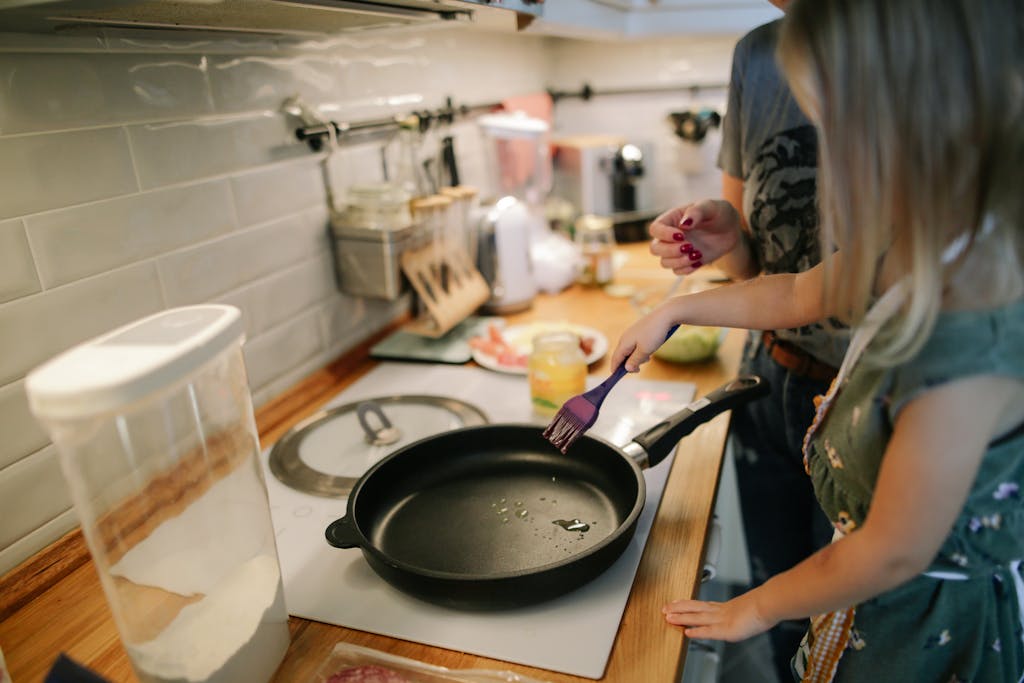
Saving money on meals is not just about eating at home—it’s about making the most out of each ingredient, being mindful of food waste, and getting creative with budget-friendly recipes. Here are 9 strategies to maximize those savings!
1. Meal Plan Like a Pro
Planning your meals for the week saves money and reduces the temptation to order takeout when you’re unsure what to cook. Create a weekly meal plan with a focus on using what you already have in your pantry and freezer. Start by listing ingredients that need to be used soon and base your meal ideas around those.
Cost Savings Tip: A well-organized meal plan can reduce your grocery bill by up to 25% each week, according to the Food Marketing Institute.
Ideas for Planning Efficiently:
- Plan meals that share ingredients to minimize waste and costs.
- Stick to simple meals with fewer ingredients for a lower grocery bill.
- Get the family involved in planning to make meals something everyone looks forward to.
Equipment you’ll need:
- Weekly Meal Planner Pad – Easily organize your shopping list and meals.
- Magnetic Fridge Calendar – Keeps your meal plan visible and on track.
- Chalkboard Labels for Pantry – Perfect for organizing bulk items and spices.
Available on Amazon.com [ad]



2. Buy in Bulk When It Makes Sense
Staples like rice, pasta, flour, beans, and even frozen vegetables can be bought in bulk for substantial savings over time. Many bulk stores offer discounts, and since these items have a long shelf life, they’re perfect to stock up on.
Cost Savings Tip: Buying in bulk can save between 10-30% per unit, especially helpful for frequently used items like grains and beans.
How to Make the Most of Bulk Purchases:
- Opt for versatile items that work in multiple recipes.
- Store in airtight containers to preserve freshness.
- Buy family packs of meat and freeze smaller portions.
Equipment you’ll need:
- Airtight Food Storage Containers – Essential for keeping bulk foods fresh.
- Freezer Bags – Perfect for portioning bulk meats and veggies.
- Digital Kitchen Scale – Helps with accurate measurements, especially for baking.
Available on Amazon.com [ad]


3. Grow Your Own Ingredients
A small herb garden on the windowsill, container vegetables on the porch, or a backyard garden can yield a surprising amount of fresh ingredients. During summer, focus on veggies like tomatoes and peppers; in winter, grow onions, garlic, and herbs.
Cost Savings Tip: A simple herb garden can save around $100 annually on store-bought herbs, and a veggie garden can yield up to $500 in produce value each year.
Benefits of Growing Your Own Food:
- Saves money on fresh produce.
- Offers pesticide-free, organic options.
- Reduces grocery trips and reliance on store-bought herbs and veggies.
Equipment you’ll need:
- Windowsill Herb Garden Kit – Perfect for fresh herbs year-round.
- Grow Bags – Ideal for growing vegetables like tomatoes and peppers.
- Indoor Grow Light – Provides essential light during darker winter months.
Available on Amazon.com [ad]


4. Embrace Leftovers and Batch Cooking
Preparing large batches of meals like soups, stews, pasta, and casseroles lets you portion out several meals at once, saving both time and money.
Cost Savings Tip: Batch cooking can save up to 30% on grocery bills by allowing you to buy ingredients in larger, more economical quantities.
Batch Cooking Ideas:
- Make extra servings of family favorites like chili or lasagna.
- Freeze portions of meals for busy nights.
- Use leftovers creatively, like turning roast chicken into chicken salad or soup.
Equipment you’ll need:
- Freezer-Safe Meal Prep Containers – Perfect for batch-cooked meals.
- Large Stock Pot – Ideal for making big batches of soup or stew.
- Label Maker – Helps keep track of frozen meals by date.
Available on Amazon.com [ad]


5. Make Use of Seasonal Produce
Eating seasonally isn’t just great for supporting local farmers; it’s also cheaper! Produce in season is typically less expensive and fresher. Stock up on pumpkins, sweet potatoes, and squash in the fall, and enjoy berries, peaches, and melons in spring and summer.
Cost Savings Tip: Shopping seasonally can reduce produce costs by around 10-15% over the year.
Seasonal Savings Ideas:
- Freeze or can surplus fruits and veggies to enjoy later.
- Make jams, pickles, or sauces with seasonal ingredients.
- Create meal plans that focus on in-season produce for maximum savings.
Equipment you’ll need:
- Vacuum Sealer – Keeps fruits and veggies fresh in the freezer.
- Mason Jars – Essential for making and storing jams and sauces.
- Fruit and Vegetable Peeler – Saves time with large prep sessions.
Available on Amazon.com [ad]


6. Use Less Meat
With meat prices higher than ever, using less meat can be a game-changer for savings. Plant-based proteins like beans, lentils, and tofu are affordable and nutrient-rich.
Cost Savings Tip: Replacing meat in your meals just two days a week can save up to $200 annually on groceries.
Ideas for Using Less Meat:
- Make stir-fries with half the usual meat and add extra veggies.
- Try a meatless Monday to experiment with vegetarian recipes.
- Use beans and legumes as hearty fillers in stews, chilis, and soups.
Equipment you’ll need:
- Slow Cooker – Ideal for hearty vegetarian stews and soups.
- Cast Iron Skillet – Perfect for searing veggies and creating plant-based dishes.
- Vegetarian Recipe Book – Explore new, delicious meatless recipes.
Available on Amazon.com [ad]


7. Stock Up on Sales and Freeze
When items go on sale, buy extra to freeze for later. This is especially useful for meats, bread, and even vegetables like bell peppers, which freeze well.
Cost Savings Tip: Buying sale items and freezing them can reduce your grocery bill by up to 15%.
Freezing Tips:
- Use vacuum-sealed bags or containers to keep items fresh in the freezer.
- Label and date each item to prevent waste.
- Stock up on sale items during holiday seasons.
Equipment you’ll need:
- Vacuum Sealer Bags – Ideal for freezing meats and veggies.
- Freezer Labels – Keep track of expiration dates on frozen goods.
- Chest Freezer – An excellent investment for families who stock up.
Available on Amazon.com [ad]


8. Learn to Make Your Own Snacks
Buying pre-packaged snacks can add up fast, but many popular snacks are cheaper to make at home. Items like granola, trail mix, and yogurt can be made in larger batches and customized to your family’s tastes.
Cost Savings Tip: Preparing snacks at home instead of buying pre-packaged ones can save up to $30 a month per person!
Ideas for Homemade Snacks:
- Try baking muffins or granola bars to keep on hand.
- Make your own chips or popcorn for a healthier alternative.
- Buy bulk ingredients like nuts and oats to make DIY trail mix.
Equipment you’ll need:
- Instant Pot – Great for making yogurt and saving space by replacing multiple gadgets.
- Popcorn Maker – A frugal choice for movie night snacks.
- Silicone Snack Bar Molds – Perfect for creating homemade granola bars.
Available on Amazon.com [ad]


9. Get Creative with Copycat Recipes
One of our family’s favorite ways to make mealtimes special on a budget is to recreate the recipes everyone loves at home—and for a fraction of the cost! Whether it’s whipping up an In-N-Out-style burger, Applebee’s Maple Blondie, or Chick-fil-A’s famous chicken sandwich, we love turning our kitchen into a mini restaurant.
Not only does this save money, but it’s also a fun, creative activity that brings everyone together. Plus, you’ll have the satisfaction of knowing exactly what’s in your meals and customizing them to your taste.
How to Get Started:
- Search online for free copycat recipes of your favorite restaurant dishes.
- Invest in cookbooks dedicated to recreating restaurant-style meals at home.
- Make it a full experience by setting the table like a restaurant, dimming the lights, and even printing a playful “menu.”
Cost Savings Tip: Recreating restaurant dishes at home can save you up to 70% compared to dining out, depending on the meal.
Our Favorite Cookbooks to Bring the Restaurant Home:
- Six Sisters’ Stuff Copycat Cooking – Packed with beloved restaurant-inspired dishes, this cookbook is perfect for families.
- Taste of Home Copycat Restaurant Favorites – Recreate popular dishes from chains like Olive Garden, Red Lobster, and more with easy-to-follow recipes.
Available on Amazon.com [ad]


10. Simplify Your Expectations
Sometimes, we’re our own biggest barriers to saving on food! There’s a cultural pressure to create elaborate, Instagram-worthy meals every night, but the truth is, simple can be just as satisfying. As Dave Ramsey famously says, sometimes beans and rice, rice and beans is just fine! A sandwich, a burger in a bun, or even hotdogs can be a perfectly good meal.
It’s not about extravagance; it’s about nourishing your family without breaking the bank. Release the expectation that every meal has to be a masterpiece and focus on making meals that are practical, affordable, and enjoyable.
Cost Savings Tip: Simplifying your meals and letting go of “perfect meal” expectations can save time, energy, and money while still keeping your family happy and full.
How Do I Talk to My Husband About Wanting to Be a Stay at Home Wife?
I was able to just start chatting to my husband about what God was placing on my heart and found that He had also been placing it on his too. But, I know for some women that’s not the case. So perhaps you might be able to share this article with him from TradPa.com that beautifully lays out the blessings of a Stay at Home Wife, and of course do pray that God would work in this area of your marriage. It may also help to chat to some other couples about how they’ve managed to make budgets works to allow the wife to stay home.

Start a Side Hustle Now!
If possible, why not start a side hustle to earn some extra income now so that it’s set up when you’re able to leave work and stay home? That’s what I did with this blog and it now earns enough to pay for groceries only 6 months in! Here’s my RESOURCES page packed with tips and links to the actual products I use to set up and run my blog (my start-up costs were less than $100!). Just don’t jump in and buy any courses or pay for a single thing until you’ve done some research, never pay for more than you have to, especially at first.
I love blogging, it fits around my day, my families commitments, I’m able to jump in when I have some free time and also take time off when I need to. Give it a go! Share your recipes, homeschooling tips, lifestyle tips and your day to day events – you’ll be surprised how soon it takes off!

Further Resources
If needing to save money and get control of your budget are top of your to-do list we have to shout out the Ramsey Babysteps Method that we personally use and live by – it’s been life changing for our family and could be for yours too!
You can check out the full Dave Ramsey Website if you’d like to jump right in to his Financial Peace University course that guides you step by step through the process whilst plugging you in to groups of people going through the same process. Or if you’re unsure or the budget doesn’t quite stretch to the course at the moment then there are some wonderful resources that he’s made available on Amazon and Youtube:
Watch Dave Ramsey:
Available on Amazon.com [ad]


The Takeaway
It’s clear that eating at home is more than just a money-saver—it’s a lifestyle shift that brings families closer and puts you in control of your nutrition and budget.
By cutting back on dining out and embracing the many benefits of home cooking, you’ll find more time to spend with loved ones, the opportunity to enjoy creative meals, and the satisfaction of living within your means!
What to Read Next
Looking for more ways to manage your household budget? Check out THIS series of articles on we think you’ll love too!


Share
Loved this article on saving with home-cooked meals? Share it with others who might be looking to cut costs, live more simply, and embrace the joys of home-cooked meals!
Last update on 2026-09-30 / Affiliate links / Images from Amazon Product Advertising API