

10 Fun and Frugal Ways to Enrich Your Homeschool During Winter’s Chill!
Winter is a season of opportunity for homeschoolers. The chilly days and snowy landscapes provide endless inspiration for hands-on learning, creative projects, and cozy life lessons. Whether your family loves exploring the science of snow, learning life skills in the kitchen, or preparing for spring in the garden, there’s no shortage of ways to make winter exciting and educational.
This season, let’s transform frosty mornings into moments of discovery. Here are ideas to inspire curiosity, foster creativity, and bring warmth and wonder into your homeschool this winter!
1. Explore the Science of Snow
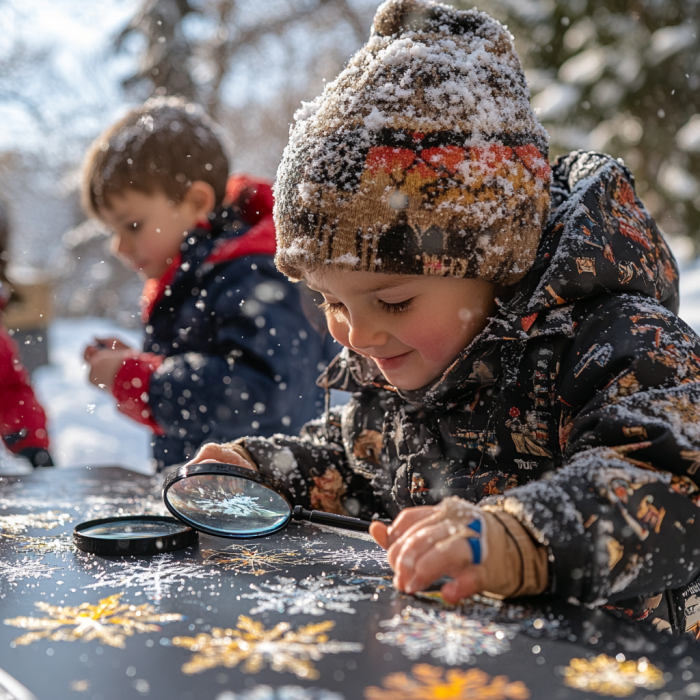
Snow is one of nature’s most fascinating winter gifts and an excellent teaching tool. Start with a simple activity: examining snowflakes. Catch fresh snowflakes on black construction paper and use a magnifying glass to study their intricate shapes. This introduces concepts like crystallization and symmetry. Another engaging experiment is measuring the water content of snow. Collect a container of snow, let it melt indoors, and compare the volume of water to the original snow volume. This hands-on activity explains density and encourages predictions and hypothesis-making.
For a creative twist, try snow painting. Fill spray bottles with water and food coloring, then let your kids create colorful designs on freshly fallen snow. Use the activity to discuss how temperature and sunlight affect the snow’s surface and the painted designs. These simple activities turn snow into a fun and educational medium for exploring the natural world.
Snow Science Supplies to Try
- Kids’ Magnifying Glass Set – Perfect for studying snowflake patterns up close.
- Spray Bottles for Painting – Great for turning snow into an art canvas.
Available on Amazon.com [ad]


2. The Wonders of Ice

Ice offers endless opportunities for exploration, and it’s an accessible way to teach key scientific principles. One classic experiment is melting ice with salt. Sprinkle table salt, rock salt, or sugar over ice cubes and observe how quickly each melts. Explain how salt lowers the freezing point of water, making it a practical tool for icy roads. Another fascinating activity is creating frost in a can. Fill a metal can with ice and sprinkle salt inside. As you stir, frost will form on the exterior of the can, demonstrating condensation and freezing.
For a touch of magic, try the string lift experiment. Place a string over an ice cube, sprinkle salt, and wait a moment. When you lift the string, it pulls the ice cube with it! This activity showcases how salt melts ice briefly before refreezing, bonding the string to the surface.
Ice Experiment Essentials
- Assorted Salt Pack and Science Kits – Experiment with different types of salt for varying effects.
Available on Amazon.com [ad]



3. Teaching Kids the Joys of the Slow Cooker

Winter is the perfect season to introduce your kids to the magic of the slow cooker. This simple yet versatile kitchen appliance can transform ingredients into hearty, comforting meals while teaching valuable life skills like meal planning, teamwork, and patience. Plus, it’s a budget-friendly way to create nutritious meals for the whole family.
Start with something simple like a classic vegetable soup. Let your kids help chop (age-appropriate tasks) and measure ingredients like carrots, celery, and potatoes. Teach them how flavors meld together during the slow cooking process and discuss the nutritional benefits of each ingredient. As the soup simmers throughout the day, the house will fill with delicious aromas, building anticipation for dinner.
For a sweet treat, try a slow-cooked apple crumble. Kids can peel and slice apples, mix oats with cinnamon and sugar, and layer everything into the slow cooker. It’s a wonderful way to show how simple ingredients can turn into something extraordinary. Use this opportunity to sneak in a lesson about measurements, ratios, and how heat transforms food.
Slow cooker meals also offer a chance to teach frugal cooking. Explain how tougher cuts of meat or pantry staples like beans and lentils become tender and flavorful over time. Create a weekly menu with your kids and challenge them to plan slow cooker recipes using items you already have at home.
Beyond the recipes, the slow cooker teaches invaluable lessons about delayed gratification and planning ahead—essential life skills for kids to carry with them as they grow.
Introducing your kids to the joys of slow cooking not only enriches their understanding of food but also empowers them with confidence in the kitchen. Plus, it’s a fun and cozy way to spend time together on a chilly winter day.
Slow Cooker Essentials to Explore:
- Kid-Friendly Slow Cooker Cookbook – Easy recipes designed for little helpers.
- Mini Slow Cooker – Perfect for the smallest of kids to enjoy making desserts!
- Child-Safe Kitchen Utensil Set – Perfect for teaching kitchen skills safely.
Available on Amazon.com [ad]


4. Energy Experiments to Warm Things Up
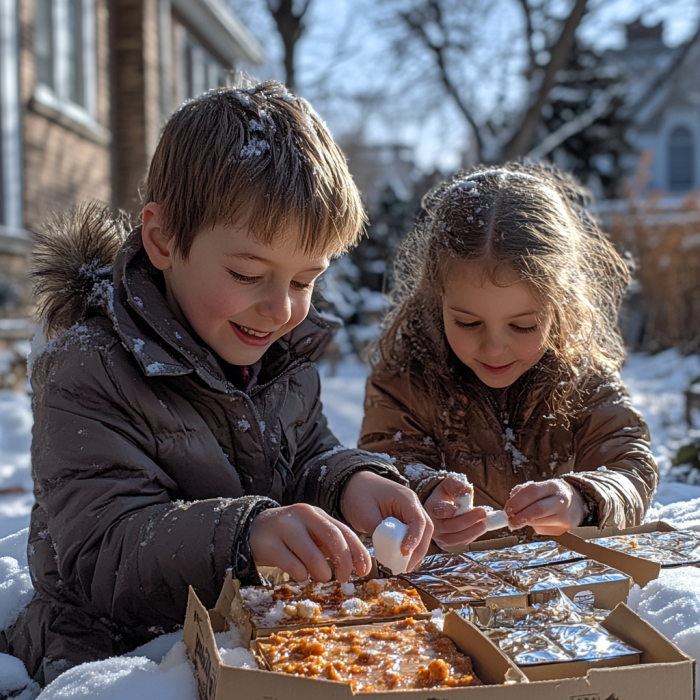
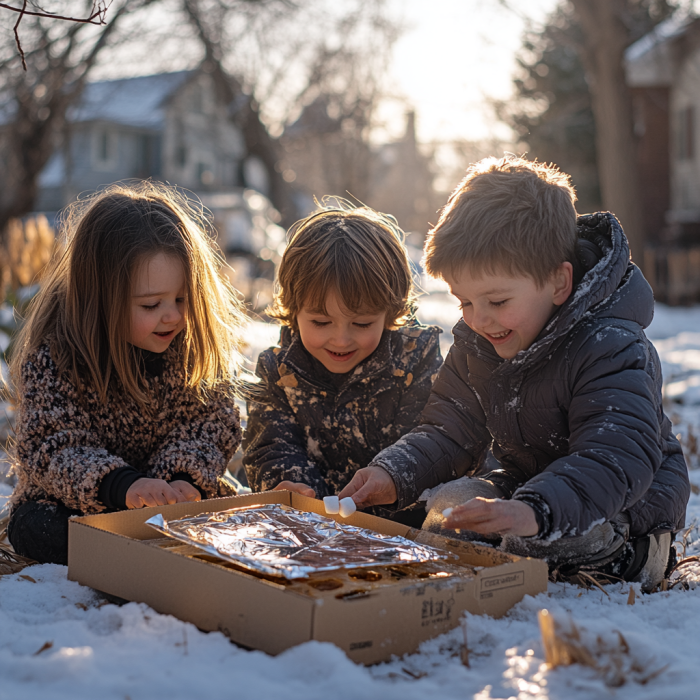
Not all winter science involves the cold—energy-focused experiments are perfect for teaching heat transfer during the season. Build a simple solar oven using a pizza box lined with aluminum foil and plastic wrap. Place a marshmallow inside and set the box in direct sunlight. Observe how the marshmallow melts as the foil reflects and traps heat. This experiment highlights solar energy’s potential.
For younger learners, try the mitten insulation test. Wrap small containers of warm water in different insulating materials like mittens, scarves, or foil. Track how quickly the water cools and discuss which material provides the best insulation. Another engaging activity is the candle and convection experiment. Light a candle and hold a piece of paper above it. Observe how the heat moves the air, demonstrating convection currents.
Energy Experiment Supplies
- Thick Aluminum Foil or Foil Containers – Essential for crafting solar ovens.
- Heat-Safe Science Containers – Perfect for insulation experiments.
Available on Amazon.com [ad]


5. Water Cycle Wonders
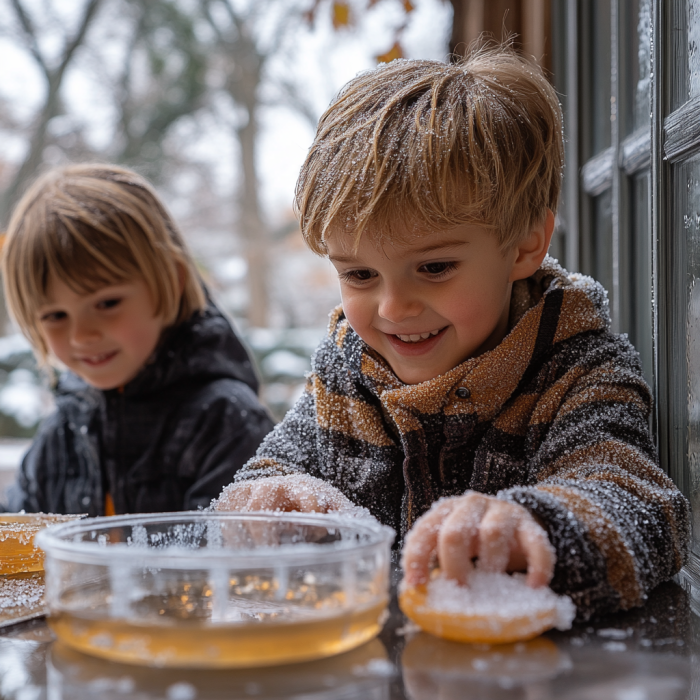
Winter is the perfect season to teach about the water cycle using hands-on experiments. Start with a freezing and thawing race. Place one cup of water outside and another in the freezer, and compare how long each takes to freeze. This introduces kids to concepts of temperature and freezing speed. Next, create a mini water cycle model. Fill a clear bowl with warm water, cover it with plastic wrap, and place a small weight like a coin in the center. As condensation forms and drips, it mimics rainfall and helps explain evaporation and precipitation.
For an artistic twist, mix Epsom salts with warm water and paint the mixture onto a window. As it dries, it forms beautiful crystals, demonstrating evaporation and crystallization while doubling as winter-themed décor.
Water Cycle Experiment Supplies
- Large Petri dishes or Glass Bowls – Great for observing condensation and precipitation.
- Epsom Salt for Crystal Creations – Perfect for frosty window art.
Available on Amazon.com [ad]


6. Biology in the Winter
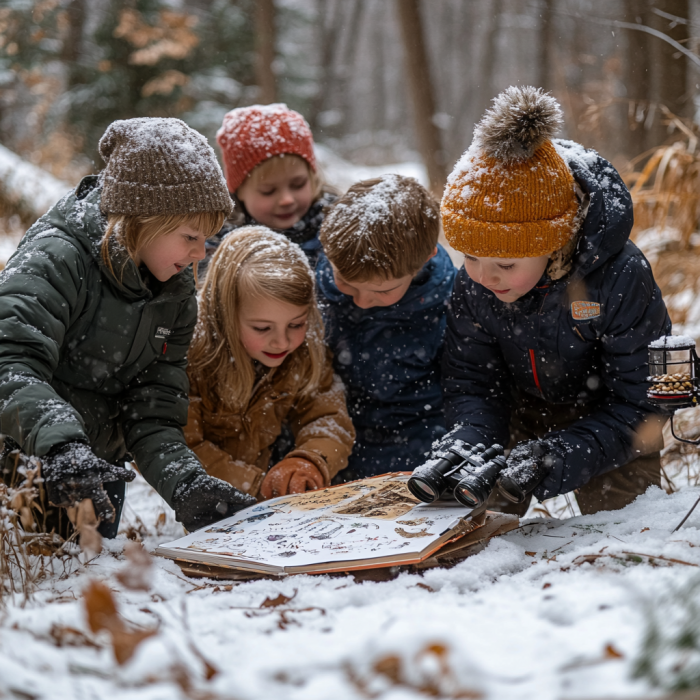
Biology lessons come to life in winter with opportunities to study animal behavior and plant adaptations. Take your kids outdoors to track animal footprints in the snow. Identify the prints and discuss how animals adapt to cold weather through migration, hibernation, or thick fur. At home, explore how plants drink water by placing white carnations in glasses of colored water. Over time, the flowers change color, showcasing capillary action.
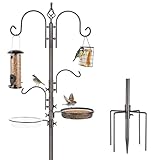
If you enjoy birdwatching, set up a simple bird feeder with seeds. Observe which species visit and discuss how they conserve energy and find food during winter. Record the activity to connect observations with scientific inquiry.
Biology Experiment Must-Haves
- Animal Track Guide – Great for identifying local wildlife tracks.
- Bird Feeder Kit – Helps attract and observe birds in winter.
Available on Amazon.com [ad]


7. Frozen Bubbles: Capturing Winter’s Magic

Winter is the perfect season to explore the delicate beauty of frozen bubbles while teaching the science behind states of matter and freezing points. Mix up a bubble solution with water, dish soap, and a small amount of glycerin. On a day when temperatures drop below freezing, head outside and blow bubbles. Watch in amazement as the bubbles freeze into delicate, crystal-like spheres before popping.
For an extra challenge, experiment with bubble sizes or the thickness of the solution. Ask questions like, “Do smaller bubbles freeze faster?” or “How does the amount of glycerin affect freezing time?” This activity teaches observation and hypothesis testing in an incredibly fun way.
Bubble Experiment Essentials:
- Bubble Wand Set – Great for creating bubbles of different sizes.
- Glycerin for Bubble Solution – Adds durability and strength to bubbles.
Available on Amazon.com [ad]


8. Winter Star Gazing and Astronomy

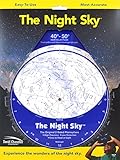
Winter offers some of the clearest night skies of the year, making it an ideal time for an astronomy-themed homeschool lesson. Bundle up and head outside on a crisp evening with a star map or astronomy app. Identify constellations like Orion, which is particularly prominent during the winter months, and discuss the science of stars, light years, and our solar system.
For an interactive twist, create a constellation projector at home. Poke small holes in a dark sheet of paper or cardboard to mimic the patterns of stars in a constellation. Shine a flashlight through the holes onto a wall in a dark room, and let your kids learn about constellations indoors.
Star Gazing Tools:
- Star Map for Kids – A simple and engaging way to locate constellations.
Available on Amazon.com [ad]


9. February Gardening: Planting Seeds of Growth

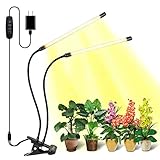
Gardening might not seem like a winter activity, but February is the perfect time to prepare for the growing season. Teach your kids about the life cycle of plants by starting seeds indoors. Choose easy-to-grow vegetables like lettuce, spinach, or herbs, and plant them in small containers or seed trays. Place them in a sunny window or under grow lights, and encourage your kids to track their growth in a gardening journal.
If the ground isn’t frozen in your area, February is also a great month to plant cold-tolerant crops like kale, onions, or garlic directly outdoors. Use this time to teach about soil preparation, frost protection, and the science of germination. Gardening is not only a science lesson but also a valuable life skill that fosters patience and responsibility.
These additional sections expand the range of winter activities, providing unique ways to engage kids in science, exploration, and hands-on learning throughout February. Let me know if you need further details or another idea!
Gardening Supplies to Try:
- Seed Starter Kit – Ideal for growing seeds indoors.
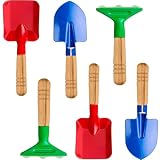
- Kid-Friendly Gardening Tools – Small and sturdy tools for little hands.
Available on Amazon.com [ad]

10. Take the Fun Outside with a Homeschool Science Party

Why keep the fun indoors? Organize a homeschool science party with your co-op or local homeschooling families. Choose a location like a park or backyard and set up stations with experiments like snow painting, ice-melting challenges, or building solar ovens. Rotate kids through each station while discussing the science behind the activity.
Add games like a snowball toss or scavenger hunt for frozen items to keep things lively. Provide winter-themed snacks such as hot cocoa or marshmallows toasted in solar ovens. A group science party creates lasting memories while reinforcing the joy of learning together.
Party Must-Haves
- Outdoor Science Kit – Perfect for group activities.
- Science Party Decor – Adds a fun touch to your event.
Available on Amazon.com [ad]


Top Tip – Adapt Activities for All Ages!

One of the best parts of homeschooling is the ability to tailor activities to fit the ages and interests of your kids. Younger children might enjoy simple snow painting or flower experiments, while older kids can dive deeper into density and water cycle models. Teens could tackle the solar oven challenge or study animal adaptations in detail. By adapting the difficulty and depth of each activity, everyone in your homeschool benefits from the same engaging experiences.
More Homeschool Resources
A great place to start is with Alpha Omega Publications who provide one of the most comprehensive and easy to use Christian homeschool curriculums and resources! Give them a try today and see if it makes the difference you’ve been wanting to see!
Here’s even more great resources that can help you never run out of ideas, and a few fun items you might love too! Available at Amazon.com [ad]


The Takeaway – Make Winter Homeschool Memorable!
Winter is the perfect season to embrace creativity, discovery, and family connection in your homeschool. From conducting science experiments and learning kitchen skills to gazing at the stars and preparing a garden for spring, these activities create opportunities to teach, bond, and inspire. This winter, let the season’s magic fuel your learning adventures and make every day a celebration of curiosity and growth.
What to Read Next?
Still looking for more fun Homeschool Ideas to get you through the winter? Here’s some great articles we think you’ll love too!


Share This Winter Fun!
These winter homeschool ideas are perfect for sparking curiosity and creativity in your family’s learning journey. Whether you’re exploring frosty science experiments, planning a garden, or teaching life skills in the kitchen, there’s something for everyone to enjoy.
Share this article with friends, co-op members, or fellow homeschoolers to spread the inspiration! Pin it, post it, or share it on your favorite homeschool forum, and let’s make winter a season of wonder for every family.
Last update on 2026-10-27 / Affiliate links / Images from Amazon Product Advertising API